
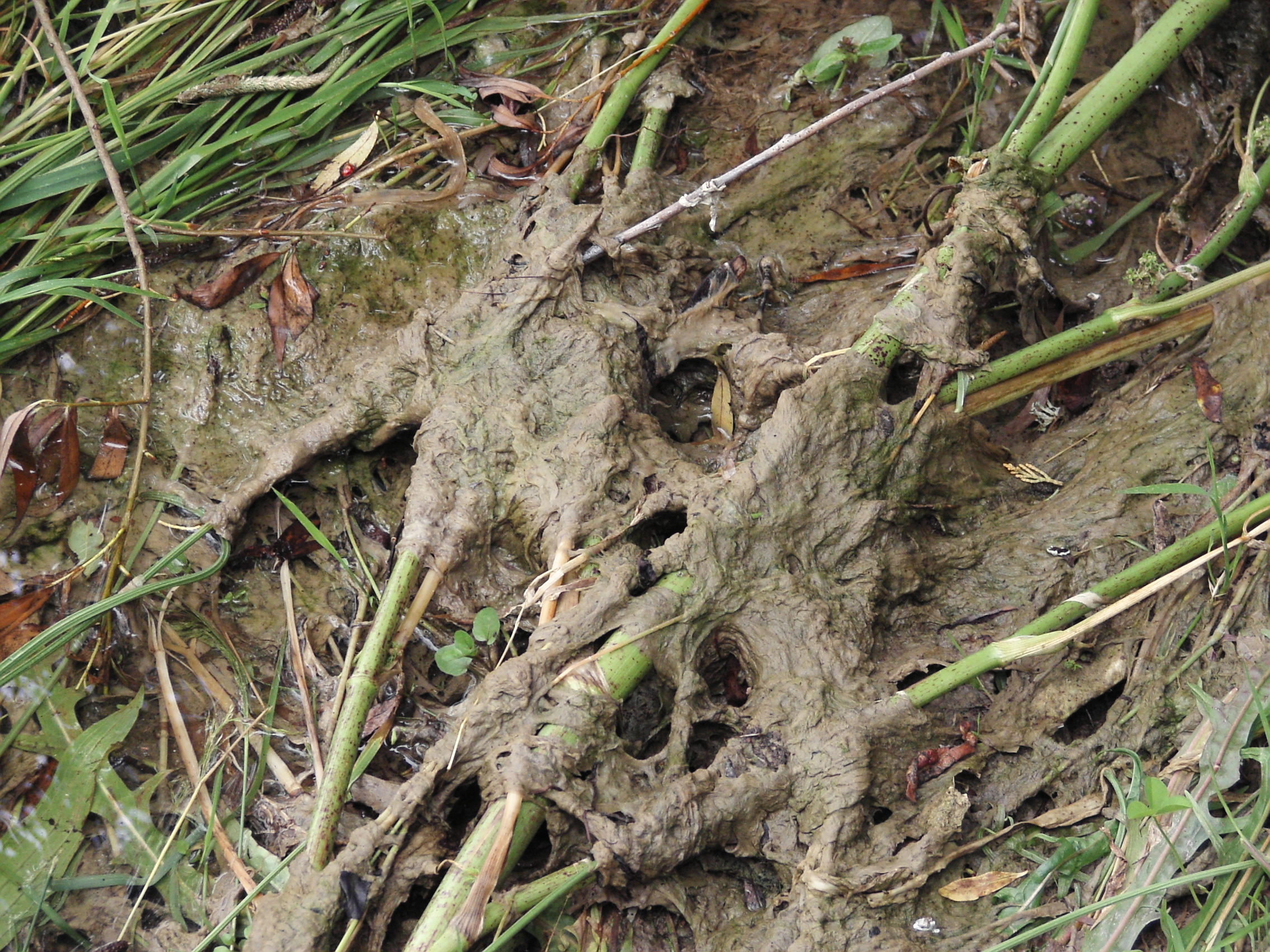
A new detection in a valued Fiordland river
The Department of Conservation and Southland Fish & Game announced on 6 October 2026 that a recent DOC survey had confirmed didymo in the Kaipo River in northwest Fiordland. The development is a newly reported detection in that river. It is not a new arrival of didymo in New Zealand as a whole, and the announcement provides no measured estimate of a decline in Kaipo fish populations.
The agencies said monitoring across Fiordland would continue and called on water users to clean equipment before entering the area and between catchments. Their appeal includes anglers, packrafters, trampers and hunters. The announcement identifies a shared prevention task; it does not identify a person, group or activity responsible for introducing the organism to the Kaipo.
For an angler planning a trip, the immediate implication is practical. A remote destination and apparently clear water do not remove the need to manage equipment transfers. The most useful response is to plan the cleaning step as carefully as the fishing route, rather than assuming that an attractive river is protected by its appearance or distance from a road.
What didymo is—and what a detection tells us
Didymo, Didymosphenia geminata, is a freshwater diatom. A historical NIWA synthesis explains that conspicuous mats contain large amounts of stalk material produced by the cells. This distinction matters because the presence of the organism and the development of an extensive visible mat are different observations. They should not be treated as interchangeable measures of severity.
NIWA's older work also explains why a simple pollution narrative can mislead. Prolific stalk growth can occur in low-nutrient rivers, with phosphorus availability and light contributing to the conditions for mat formation. That scientific context is not a recommendation to add nutrients or chemicals to a river. Experimental explanations of bloom development are different from approved management interventions.
The Kaipo announcement does not supply a mapped extent, a mat-cover estimate or a quantified food-web response. Those omissions limit what can responsibly be claimed about current impact. They do not make the detection unimportant: prevention decisions can be justified by a credible risk of spread before a complete assessment of local consequences is available.
Ecological concern is not a measured local stock loss
DOC and Southland Fish & Game describe concerns about freshwater insects and the fish and birds that depend on them. Those are the agencies' reasons for taking the detection seriously. They should not be converted into an invented percentage loss of Kaipo trout, native fish or insect biomass. The October release is a detection and prevention announcement, not a population assessment.
A useful comparison comes from an original North American study published in 2021 and described by the U.S. Geological Survey. Research in the Kootenai River basin examined food webs in affected streams. It found changes in invertebrate composition but no conclusive association between didymo cover and fish growth or condition in the fish examined. That result belongs to its own study system; it neither proves the Kaipo harmless nor establishes that its fish will respond in the same way.
Our interpretation is that future local reporting should keep the chain of evidence visible. Organism detection, mat extent, changes in prey communities and fish responses answer successive questions. Each needs suitable measurements. Skipping directly from the first observation to a prediction of stock collapse can exaggerate certainty, while ignoring the pathway because a fish decline has not yet been demonstrated can understate the reason for prevention.
Prevention concerns every wet item
DOC's Fiordland guidance addresses the movement of freshwater pests through recreation and equipment. It highlights risks associated with transferring water and damp material between places, including movement from lakes into upstream waterways. That is a broader problem than a dirty pair of fishing boots. A trip involving several activities can connect waters even when no fishing takes place at the intermediate stop.
Before leaving home, make an inventory of everything likely to become wet. Consider footwear, waders, landing nets, packs, ropes, watercraft and clothing. Identify absorbent materials and hidden areas that remain damp after an outer surface looks dry. The point is to find the difficult cleaning tasks while supplies, time and alternative equipment are still available.
This inventory is the journal's practical planning recommendation, not a newly announced official requirement to carry a particular kit. It helps turn general advice into a sequence that can actually be followed. If one item cannot be treated appropriately between destinations, change the itinerary or use a separate, properly prepared item rather than leaving that problem until the end of the first fishing session.
Use the current cleaning method
Use the current Check, Clean, Dry instructions linked below. Remove attached material and drain equipment before treatment. For absorbent gear, one approved option is to soak the item in a 10 percent dishwashing-liquid solution for ten minutes: a five-litre mixture contains 500 millilitres of detergent and 4.5 litres of water. Wet the whole item, including seams and absorbent parts; a surface spray does not replace soaking.
Follow the full official instructions and check material compatibility with the equipment manufacturer. A brief spray over an absorbent item should not be assumed equivalent to the specified treatment. For non-absorbent items, drying can be a stand-alone treatment only when the item is completely dry inside and out, followed by at least another 48 hours. Use an approved soaking treatment for absorbent equipment instead of assuming that a dry outer surface is enough. Dispose of cleaning water appropriately away from waterways and drains, following official guidance.
These are equipment treatments, not instructions to treat the Kaipo or any other river. Do not pour detergent into natural water or attempt a personal eradication exercise. If the specified method is unsuitable for an item, consult the current approved alternatives and the manufacturer instead of improvising a shorter treatment or weaker mixture.
The advice did not begin with this announcement
Fish & Game's didymo guidance dates the change in detergent recommendations to October 2021. It explains that the older five-percent, one-minute approach was replaced by the ten-percent, ten-minute advice following research and changes in the relevant cleaning context. That chronology matters for readers who remember an old poster or carry an outdated checklist.
The same guidance recommends dedicating equipment to one waterway where possible. This is a useful option for a trip that would otherwise involve repeated transfers. It does not make a dedicated item automatically clean forever, and it should not be used to justify moving that equipment later without preparation. The practical benefit comes from reducing the number of connections that have to be managed.
For a group, agree who supplies the cleaning materials and where the process can be completed before booking a tightly timed route. A plan that depends on everyone having spare dry equipment should be checked explicitly. These are organisational suggestions from the journal: a workable prevention routine needs enough time and clear responsibility, not merely agreement with the principle.
Keep the legal and source dates separate
Travellers should check current licence conditions, access rules and any clean-gear certification requirements with DOC and Southland Fish & Game before departure. As checked on 31 October 2026, DOC's overview still instructs anglers in most Fiordland waters to obtain clean-gear certification, while its linked fishing-restrictions notice states an expiry date of 30 September 2026. The overview and the dated instrument therefore do not provide a consistent current legal account. That document alone cannot establish the requirements for a trip after its stated expiry.
The correct conclusion is that the current legal position needs confirmation from an up-to-date instrument or the responsible authority. It would be equally unsound to assume that the requirements were automatically renewed or that every control disappeared. This article announces neither a new closure nor the abolition of a previous condition.
This distinction is especially important when several official pages are maintained on different schedules. An undated overview may be useful preparation while a time-limited notice determines a specific legal condition. Check the date and scope of each document rather than treating the newest news release as a replacement for every underlying rule. Before committing to a trip, ask DOC or Southland Fish & Game which current instrument covers the named river and date, and how to obtain any required certificate. A self-cleaning routine is not a substitute for certification where certification is required.
A worked transfer between two waters
Suppose a group intends to fish one catchment today and enter a different one tomorrow. The following is a planning example, not a claim that either destination is open. Before the first outing, separate the equipment into items that can be soaked, items that cannot tolerate the chosen treatment and items that can remain unused and clean. Check the manufacturer's instructions before treating reels, adhesives, breathable fabrics or electronics.
At the first exit, remove attached plant material and drain trapped water. Keep used gear in a separate container so it cannot wet the clean spare kit. At the planned cleaning location, use the approved method for each material, measure the solution and time the full contact period. Dispose of the wash water away from natural waters and drains according to the official instructions. Do not dilute a treatment simply to make the remaining detergent last.
If the only plan for a non-absorbent item is drying, a single overnight stop does not establish the additional 48-hour period after complete drying. Use a suitable approved treatment, properly prepared spare equipment or change the itinerary. If an absorbent item cannot be treated appropriately, leave it out of the transfer. This decision is easier before departure than at an isolated river crossing.
| Transfer problem | Practical response | What must not be assumed |
|---|---|---|
| Wet boot seams or net fabric | Treat as absorbent equipment using an approved compatible method | A quick spray reached all surviving material |
| Water trapped inside a craft or container | Drain and clean hidden spaces before moving | Clear-looking water is pest-free |
| A clean spare shares a wet gear bag | Keep it separated and reassess contamination | Unused means uncontaminated |
| Certification may apply | Confirm the river, trip date and current requirement with the responsible authority | Self-treatment automatically supplies a legal certificate |
Why the message extends beyond Fiordland
DOC's broader Check, Clean, Dry campaign explains that freshwater pests are difficult to eradicate once established and that prevention applies across activities. Its historical account places New Zealand's first didymo discovery in 2004. The Kaipo event therefore belongs to continuing spread prevention within a much longer biosecurity history, not a newly discovered national problem.
NIWA's research on didymo's New Zealand origin, described in 2018, examined genetic and environmental evidence for an introduction. That work supplies historical context about origins at a national scale. It cannot identify when the Kaipo became exposed, the route taken there or a responsible traveller. A resemblance between possible pathways and someone's itinerary is not evidence of blame.
DOC also identifies didymo as a threat relevant to the Taupō fishery and encourages precautions between freshwaters. That gives North Island anglers a clear reason to pay attention to a South Island detection. This article does not report a didymo detection in the Tongariro or Taupō. It connects the new Fiordland news to prevention at other waters that recreation can potentially link.
What better follow-up evidence would show
Our assessment is that the next useful scientific update would describe where sampling occurred, how much of the catchment was examined and whether the organism is expanding. Repeated observations of mat cover would address a different question from a single confirmation of presence. If impacts on fish are evaluated, information on prey communities, fish condition and appropriate comparisons would help readers assess the findings.
Those are questions for future reporting, not a claim that the agencies have announced a particular survey design or deadline. The October announcement commits to continued monitoring but does not publish a complete research timetable. An honest follow-up should distinguish what was sampled from what remains unknown and avoid treating a lack of new public data as proof that conditions are unchanged.
Meanwhile, practical prevention does not require an angler to diagnose an entire ecosystem. Prepare the equipment, follow current treatment instructions, confirm local conditions and avoid moving untreated water or damp gear between catchments. The Kaipo detection makes the consequences of small transfers easier to understand. The useful response is a repeatable routine that protects the next place visited.
Image and reporting note
The cover is Thorney¿?'s photograph of dry didymo beside the Mararoa River in Southland, New Zealand, used under CC BY-SA 3.0. Originally uploaded in 2006, it illustrates the alga; it does not show the Kaipo detection site or establish a detection in the Tongariro. Sources were rechecked on 31 October 2026; historical studies are identified as context rather than current local findings.