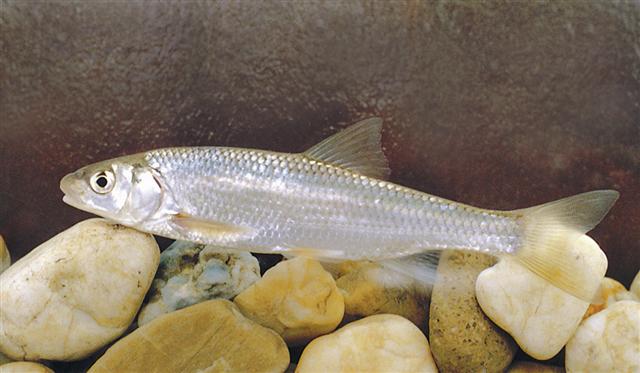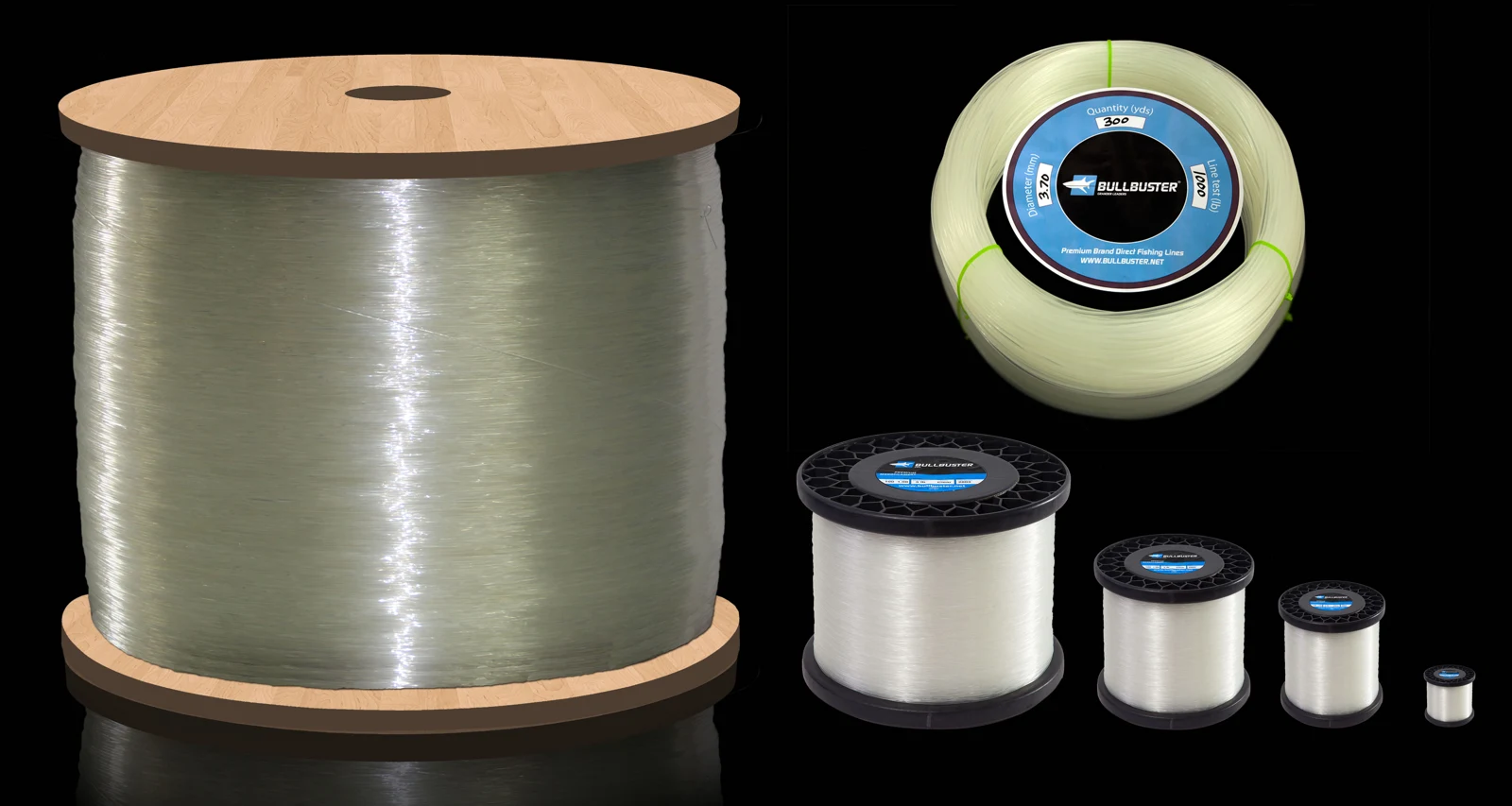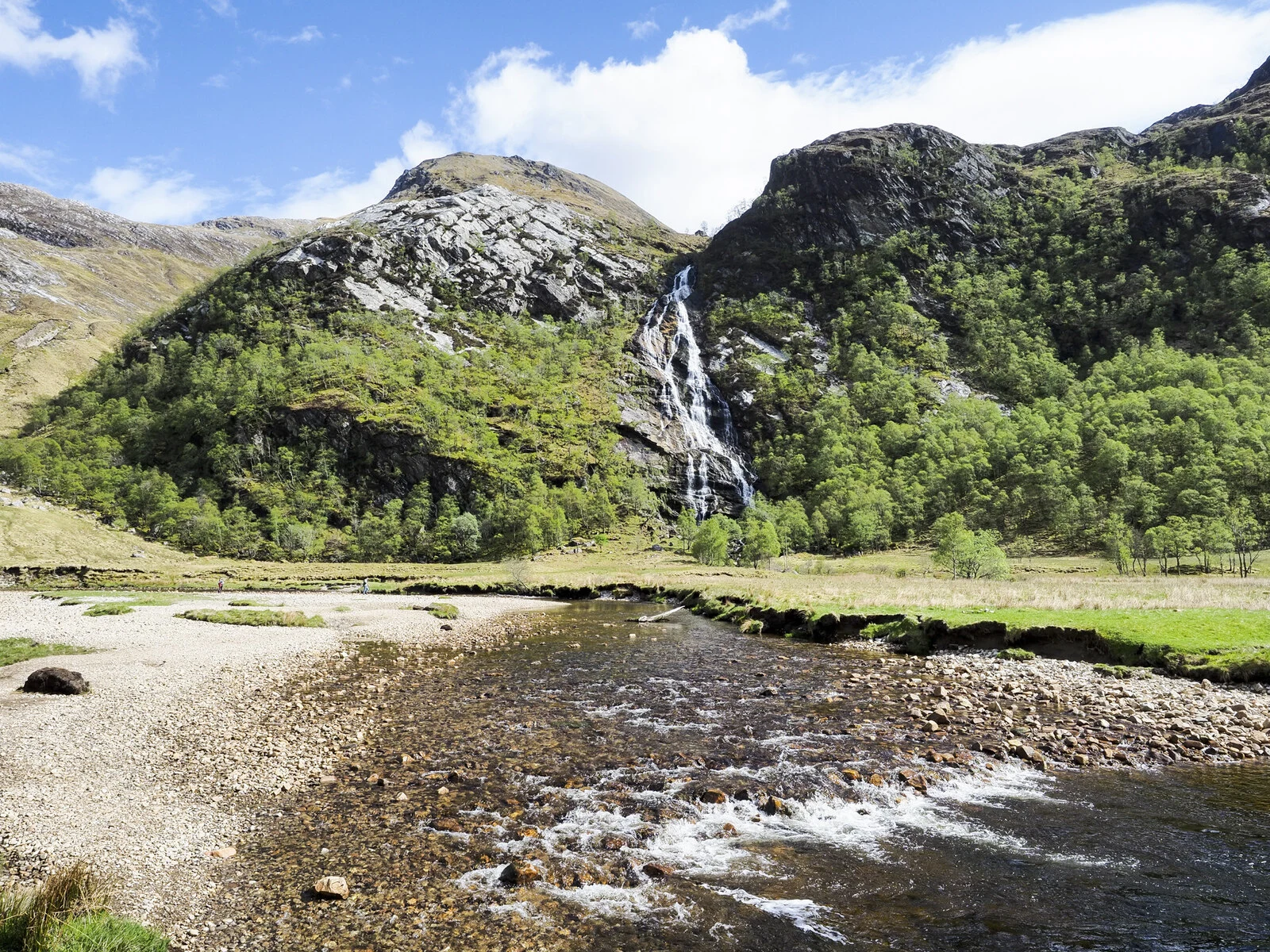
Reading freshwater means forming a useful explanation for where a fish might hold, then testing it with a controlled presentation. You do not need to identify every underwater feature on your first visit. You need a safe place to stand, three plausible stations and a way to compare what happens.
This guide describes an example bank-fishing exercise for a small river and a separate lake exercise. Choose a legal method suited to the fish actually present. Neither exercise requires wading, and neither treats a promising feature as a guaranteed catch.
Choose three reachable stations
Confirm permission and the fishery's current rules, then choose three bank positions with clear casting and landing space. Sketch the entrance, return route, visible cover and unknown depths. A useful first session needs controllable water, not an unfamiliar wade.
Learn the river's vocabulary
A current seam is the boundary between flows of different speeds or directions. An eddy is a rotating or returning area beside the main current. A run is a stretch of flowing water; a pool is a comparatively deeper area. Cover is something that provides concealment, such as wood or vegetation. Structure describes the shape of the bottom or bank, such as a bend or drop.
Slower water behind rocks, shade, deeper pools and merging flows can combine food delivery with a place to hold. The useful question is where a fish could intercept food without fighting the fastest flow all the time. Species differ, so a trout station and a pike station need not look alike.
Look at bubbles and floating leaves to see surface movement. Do not throw debris into the river. Note where the main flow brushes a bank or divides around a rock. Watch for repeated rises or baitfish movement, but avoid assuming every splash is your target species.
Match river structure to fish and presentation
The examples below describe temperate North American waters with established local populations. They are search hypotheses, not a claim that trout, bass and panfish share every river. First use the local fishery's species list: a warm lowland backwater and a cold upland stream may need entirely different approaches. The methods are practical starting suggestions; check which are permitted.
| Feature to look for | Fish examples where present | Food and holding opportunity | Starting method and presentation |
|---|---|---|---|
| Riffle entering a deeper run | Rainbow trout in cold streams | Aquatic insects carried out of broken water; slower pockets near the bed | Drift one nymph through the feeding lane, or retrieve a small spinner with the current; test the seam before the fastest center |
| Boulder and its downstream pocket | Rainbow trout; smallmouth bass in suitable warmer rivers | A current break beside passing insects or small fish | Cast beyond the pocket and guide a spinner or small grub along its edge; avoid dropping directly onto a visible fish |
| Undercut or shaded bank | Trout in cool streams; bass in suitable lowland sections | Concealment and access to drifting food or falling terrestrial insects | Make a short parallel cast; float a permitted bait or fly beside the edge without hanging loose line in roots |
| Outside-bend pool | Trout in cold rivers; smallmouth bass in suitable rivers | Deeper shelter beside a delivery lane; local prey depends on the river | Compare the pool head, side seam and tail with a controlled sinking lure; increase depth gradually rather than dragging blindly |
| Wood beside slack water | Largemouth bass; crappie and other sunfish in suitable backwaters | Cover for both predators and small prey; shade can create an ambush edge | Swim a soft plastic past the outside first; for panfish, suspend a small jig or permitted bait above the branches |
| Eddies and merging currents | Trout in cold systems; bass in warmer systems | A boundary between shelter and moving food; drifting items may circulate | Fish the entry seam and exit seam separately; reposition to prevent the main flow pulling the lure away too quickly |
| Weed edge in a slow reach | Largemouth bass and bluegill where present | Vegetation provides concealment and supports invertebrates and small fish | Retrieve a small swimming lure parallel to the clean edge; keep it above the plants and check for fouling |
| Tributary mouth | Depends on the receiving river and tributary | Flow, food or temperature may differ; none guarantees fish | Observe the mixing line and fish only open, safe water; do not target fish crowded into a heat refuge or enter a closed mouth |
A feature earns priority when suitable water, prey, cover and a controllable presentation coincide. Species names in the table are examples, not identification advice: local bass populations can include different species, while bluegill, Lepomis macrochirus, and rainbow trout, Oncorhynchus mykiss, require different food sizes and water conditions. Use a local species list before choosing the relevant row.
Connect forage to the lure's job
Forage means the natural food available to the fish. Insect-eating stream trout may intercept small drifting prey rather than chase a large lure. Bass in a weedy backwater may be hunting small fish or crayfish; panfish often take much smaller invertebrate-sized offerings. Inspect what you can observe without disturbing habitat: insects above the surface, minnows at an edge, or repeated feeding rises. Do not move live bait or collected organisms between waters.
For an open-water trout or panfish practice session, start with a 6–7 ft light rod, 1000–2000-size spinning reel and 4–6 lb nylon. These are practical examples, not tackle for pulling large predators from timber. Tie a 1/16–1/8 oz inline spinner directly to the line or to a small suitable snap; no additional sinker is needed. Retrieve beside the bank first to check that its blade turns. A 2–3 inch grub threaded straight onto a 1/16–1/8 oz jighead offers a different sinking route: push the hook through the nose and out where the body will sit straight, leaving the tail free and the point exposed. A curved plastic can spin and misrepresent the test.
Choose the lure category before its color. A spinner needs water moving across its blade; a jig sinks between movements; a floating fly follows the surface. None is useful merely because it resembles food in the box. Ask where it travels, how fast it passes the holding position and whether the fish can reach it. In stronger flow, a change of casting position can solve a depth problem more effectively than adding weight.
Work a small river from near to far
Imagine a legal bank section with a slow near-bank edge, a seam beyond it and a deeper pool below. Begin several steps back with a low profile. Fish the near edge first: walking straight to the water can disturb the fish you could have reached with a short cast.
Use one manageable presentation. Check the spinner's action beside you before testing the seam; a stalled blade makes the comparison misleading.
Cast slightly upstream or across the seam as appropriate to the method, take up excess slack and follow the lure with the rod. Retrieve quickly enough to retain contact while allowing the current to influence its path. Watch what happens when the lure crosses into slower water: the presentation may change even when your winding speed does not.
After several casts, alter the angle before changing the lure. A position a few metres upstream can keep a lure beside the seam longer. Then compare a shorter or longer sink, avoiding repeated bottom dragging. If the lure continually lodges in the same obstacle, mark the snag and fish around it instead of pulling harder on every cast.
Turn a lake into three useful stations
For a concrete regional example, Wheeler Branch Reservoir near Glen Rose, Texas, has documented rocky banks, timber and submerged brush that make different presentation problems. Confirm current bank access before visiting; this example does not imply that its fish occur in the Scottish river pictured on the cover.
A lake lacks the obvious directional flow of a river, but edges still provide a starting framework. Find a visible vegetation boundary, a point or change in shoreline shape, and an open area you can fish safely. An inlet may be worth examining, but check restrictions and hazards first; entrances and outlets are sometimes protected or closed.
From each station, make a small fan of casts that covers different directions. Start with a shallow-running presentation so you learn the upper layer before probing deeper. If you use a sinking lure, increase the count gradually on later casts, checking for weed or bottom contact. Keep the count and retrieve comparable between directions.
A contour map suggests points and drops; verify it against current level and landmarks. Shoreline darkness can be shadow or vegetation rather than depth.
Compare a float rig above the cover
For small panfish around an open weed edge, attach a small fixed float to the nylon, then tie on a size 8–12 hook. Add a little split shot about 15–25 cm above it, only enough to cock the float without sinking it. A small piece of permitted worm should leave the hook point clear. Set the float initially so the bait hangs above the visible vegetation. If using braid, a 40–60 cm leader of roughly 4–6 lb nylon gives a simple terminal section; use a longer leader if needed to keep the float attachment off the braid.
A tiny 1/64–1/32 oz jig can replace the baited hook and shot when you want an artificial comparison. Match the float's buoyancy to the jig; carrying both a heavy shot load and a weighted jig often defeats the purpose. Begin with a 1–2 inch soft tail on the jig, or smaller for tiny fish, and thread it straight.
Cast beyond the outside edge and draw the float into position, then pause. In gentle current, cast a little upstream and let it drift beside the feature without towing it. Watch for a dip, a sideways slide or the float unexpectedly lying flat. Recover slack and lift smoothly. If bait disappears without a clear bite, shorten the loose line and reduce the bait size before changing spots. If weed comes back every cast, shorten the hook depth.
A float tests whether a slower offering in a particular layer produces a response. The spinner tests a moving presentation; the grub tests a controllable sinking or swimming route. Select the method for that question. A change from a clear-water natural-looking plastic to a more visible contrasting finish is a secondary experiment, not a universal colour rule.
A ninety-minute learning session
- Spend the first ten minutes checking access, observing and sketching the three stations.
- Give each station about fifteen minutes with the same basic method, unless safety, wildlife or other anglers require a change.
- Revisit the most informative station for twenty minutes, testing one different angle or depth.
- Use the remaining time to pack, inspect for litter and write what you learned.
The timing is an editorial exercise, not a biological rule. A visible feeding fish may justify staying; worsening conditions justify leaving immediately. The purpose is to stop an entire visit disappearing into random casts from one convenient spot.
Change one thing after a quiet station
After covering the near edge, seam and far edge, change the casting angle first. If the lure crossed the useful lane too quickly, move along the safe bank to make its route more parallel. Next test depth: shorten the sink if snagging, or allow a little more settling time if the lure never approaches the suspected layer. Then adjust speed while keeping the lure working. Only after those checks compare a different profile or lure category.
For example, a spinner retrieved across a pool can miss trout holding near its bottom edge. A shorter upstream cast with controlled settling may bring the same lure closer. If that route still cannot be maintained, a permitted nymph drift tests a different presentation. This is a worked tactical hypothesis, not proof that trout are present. If the bank position cannot provide control, move to another feature rather than repeatedly losing tackle.
Interpret quiet water honestly
Record observations separately from guesses: three snags beside a weed edge is an observation; submerged timber is a hypothesis. A follow indicates interest, but no response can mean wrong location, layer or presentation, inactive fish or few fish present. Compare water level, clarity and vegetation on your return.
Brief rules and handling note
Check the local authority's licence, access, seasonal and bait restrictions for the exact water. Keep clear of floodwater, unstable banks and dam hazards. Land fish promptly, keep released fish wet and supported, and avoid spawning beds or fish concentrated in heat refuges. Check, clean and dry equipment as locally directed before moving between waters.