Your first saltwater trip should teach you a method you can repeat. Begin with a sheltered, legally accessible shore or a teaching charter, choose one realistic target, and learn how the tackle behaves. Offshore fishing, exposed surf and strong tidal entrances require different equipment and experience; they are separate next steps.
This guide uses a small-lure session from a sheltered shoreline as its worked example. The numbers below describe an illustrative outfit, not a universal shopping list. Match them to the species, casting weight and hazards at your actual venue.
Choose the classroom before the fish
A low, firm shoreline lets you watch the lure and reach the water with a landing net. A public pier may provide easy access, but a high deck needs its own landing method: a fish cannot always be lifted safely on the rod or line. A teaching charter can provide tackle and instruction, although you should ask how much time each angler will spend actively fishing.
Name the goal when booking: learn a controlled cast, recognize a bite, or understand a simple rig. Tell the guide your experience and mobility needs. Confirm the meeting place, actual fishing time, included equipment, weather cancellation terms and whether you will practise casting or mainly watch a crew-managed presentation.
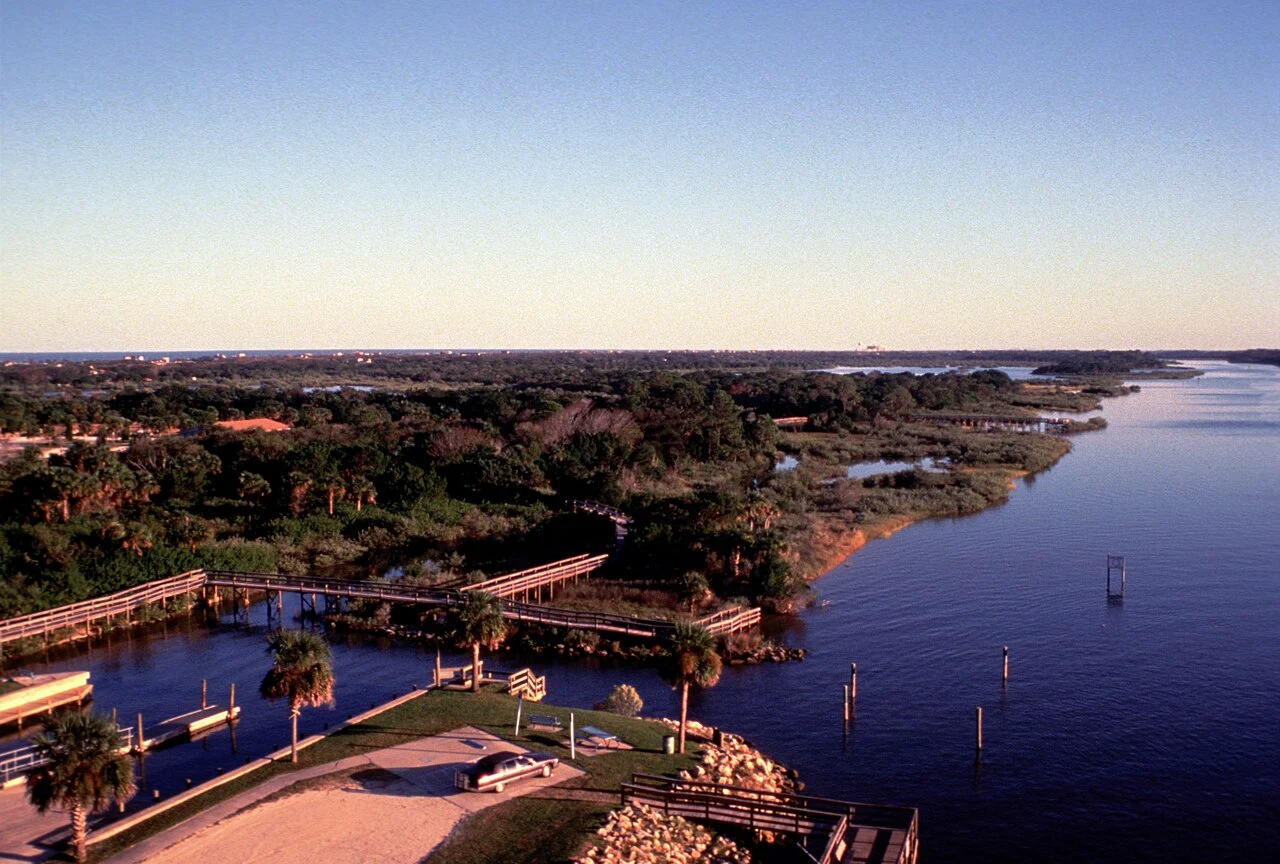
For a concrete Florida access example, Fort De Soto Park in Pinellas County lists two fishing piers. Access is not identical to an unrestricted fishing station: the county currently lists the far end of the Bay Pier as closed for hurricane repairs. Read the park and closure pages before travelling, obey barriers and choose a reachable landing position. This is an access example, not a promise of a particular catch or a claim that the photograph was taken there.
Build one balanced outfit
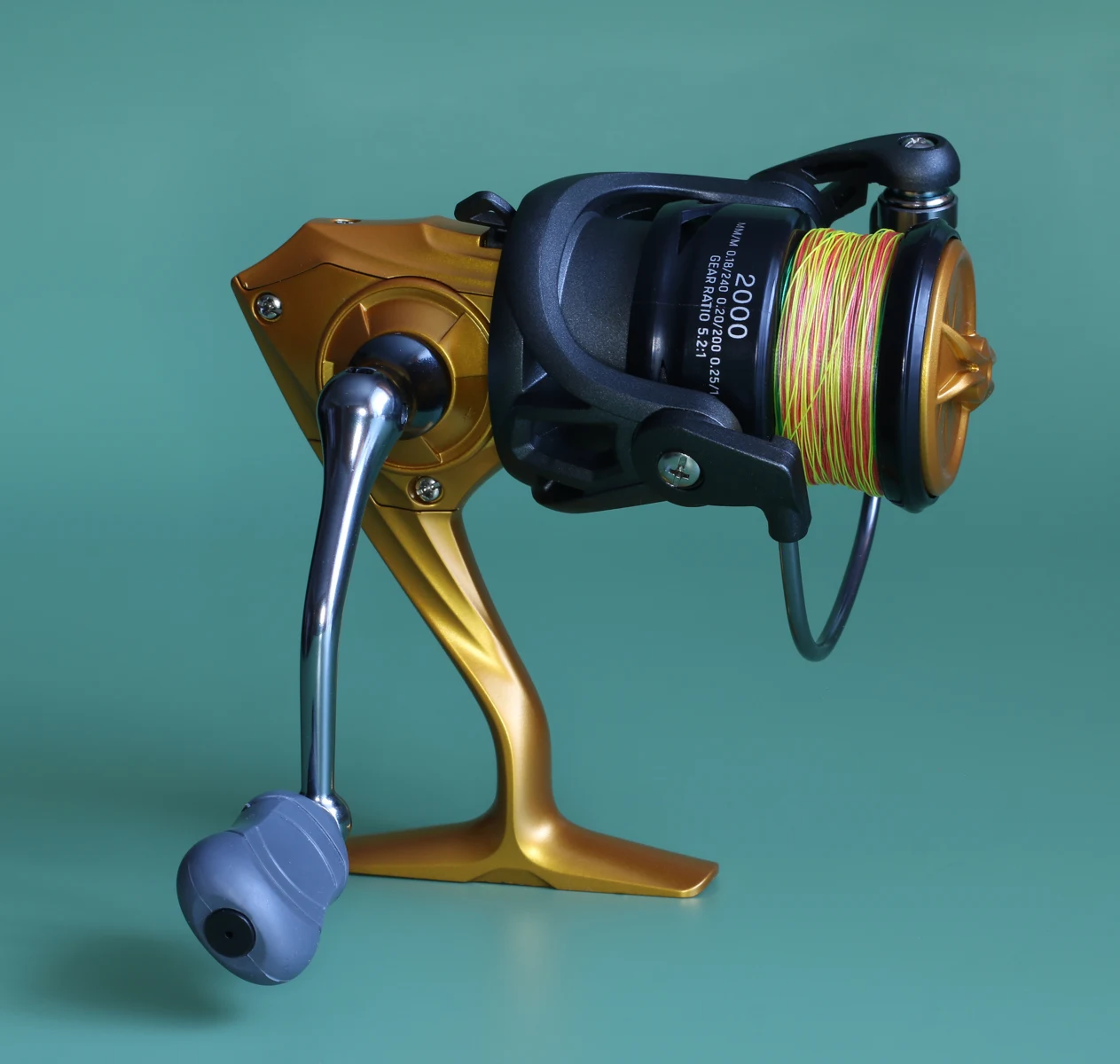
For modest inshore fish in open water, an example is a roughly 2.1 m/7 ft medium spinning rod rated to cast about 7–28 g, a saltwater-suitable 3000–4000-size spinning reel balanced to it, and 10–15 lb nylon monofilament within the rod and reel's stated line range. Reel size numbers vary between makers. The actual diameter, abrasion exposure and likely fish matter more than copying the number. This is unsuitable for large sharks, heavy surf or forcing powerful fish away from structure.
Start with a 7–10 cm paddletail plastic on a 7–14 g jighead, provided the complete lure fits the rod rating. A jighead combines a sinker and hook, so no separate weight is needed. A 1/0–3/0 hook is a starting range for these bodies, but lay it beside the plastic first: its bend must leave the tail free and its gap must remain clear. Mark the exit point, push the hook into the nose and bring it out along the back without bunching the body. Swim it beside you; rethread a twisting lure.
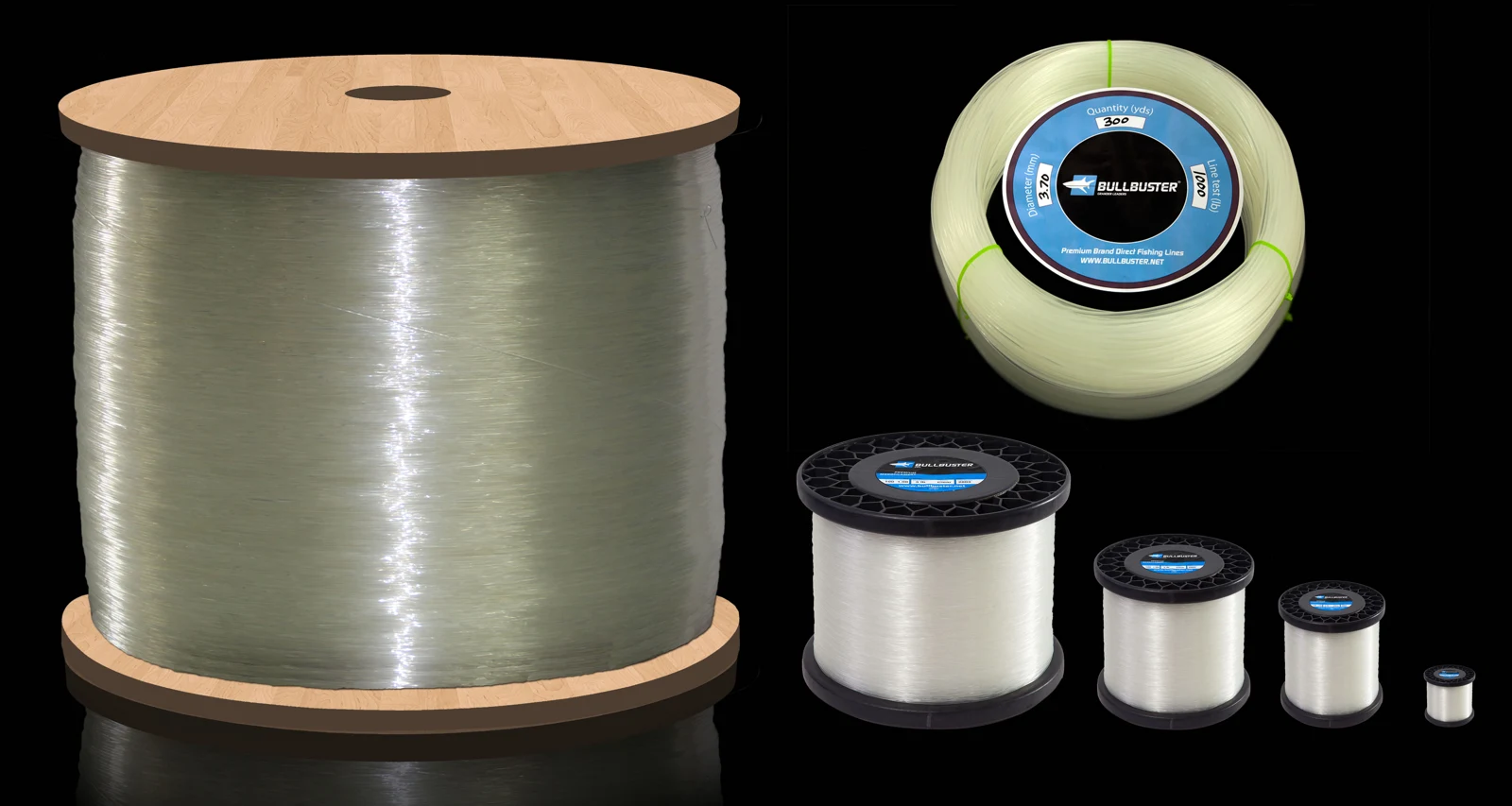
In open water, tie the jig directly to sound mono to avoid an unnecessary connection. Where slight abrasion warrants a replaceable section, start with 40–60 cm of 20–30 lb mono leader, using a joining knot learned with those actual diameters and keeping it outside the guides before casting. That is abrasion protection, not a tooth-proof trace or permission to fish heavy cover. Carry pearl or silver and a more conspicuous chartreuse option. Compare visibility beside the bank in the actual light and water; change color only after testing depth and control. These colors are trial choices, not established favorites of every coastal species.
For this nylon-to-jig connection, an improved clinch gives a repeatable starting knot: pass the tag through the eye, wrap it around the standing line five to seven times, pass it through the small opening beside the eye and then back through the larger loop just formed. Moisten, draw down gradually, inspect the coils and pull-test with the hook secured away from skin. Set the reel's drag so line can leave under a firm, controlled pull; do not lock it down. A coach can show how much pressure your complete outfit tolerates.
Read the first few metres
Stand back and watch before casting. Look for small baitfish, a channel edge, a change from sand to weed, or water moving around a point. A change in surface color is a clue, not proof of depth. Notice where floating material travels: it reveals the flow your lure must work through. For a first visit, choose enough daylight to see your line and landing route. A gentle moving tide may help carry bait along an edge, but predicted high water is not necessarily slack current, and dawn is no guarantee of bites.
Plan where a fish will be landed before approaching cover. Begin with short casts near the bank, then cover farther water. Casting straight into the distance every time can send your lure past the feature you meant to explore.
Fish the lure in a repeatable sequence
- Check behind you and beside you. Make a smooth cast diagonally up-current so the lure can sink before crossing the edge.
- Close the spinning reel's bail by hand after the lure lands, take up loose line and watch where the line enters the water.
- On the first clear cast, let the lure sink briefly while keeping contact. Count the seconds consistently so later casts can explore the same approximate layer.
- Retrieve steadily for a few turns, pause briefly and continue. Begin with a one- to three-second count in shallow clear water and extend it cautiously only while retrieves remain clean; this is a trial, not a depth conversion. Keep the rod low enough to take up slack.
- After several comparable casts, change one variable: a slightly longer sink, a slower retrieve, or a different angle along the edge.
A tap, sudden extra weight or line moving sideways may be a bite. With the exposed jig hook, wind out slack and lift firmly rather than making a violent overhead strike. If you feel only weed, shorten the next sink or swim the lure above it. A sinking count is only a relative guide. Current, lure weight, line and wind change the actual depth. If you repeatedly snag, shorten the sink or use a lighter head before buying a different color. If the lure rides too high, change the presentation deliberately while staying within the outfit's casting range.
A simple bait alternative
Where permitted, a small shrimp bait under a float holds food in a lane longer than a swimming lure. For this sheltered-water exercise, attach a fixed float to the mono main line, add only enough split shot below it to leave the float's bite indicator visible, then tie to a small swivel. Add 50–80 cm of 15–20 lb mono leader and a size 1–1/0 non-offset circle hook matched to the bait. A float rated around 6–12 g is a practical starting choice, not an instruction to add that much shot regardless of its own weight or the bait. Keep total casting weight within the rod rating.
Thread a small piece of shrimp once through its firmer flesh, leaving the point and gap exposed. Start with the bait about 1 m below the float, adjusted to remain above bottom and weed. Cast slightly up-current, follow the float with the rod and recover excess slack without dragging it unnaturally across the flow. When it moves decisively away or stays submerged, wind smoothly until the rod loads; do not sharply strike a circle hook. If bait disappears without a sustained take, check bait size and hook exposure before adding weight. If the float is repeatedly pulled under by current or snags, shorten the depth or choose gentler water.
Solve the problem you can see
No bites is not a diagnosis. First ask whether the lure is swimming properly and reaching the intended water. Then check for bait activity and compare another accessible feature. Change place before changing five tackle variables at once.
Repeated line loops often mean loose line is being wound onto the spool. Stop, clear them safely and begin winding under light tension. If a fish takes line, let the drag work; winding while the spool gives line back achieves little. Keep steady pressure and guide the fish toward the prepared landing area. Do not lift a substantial fish by the rod tip.
Connect a feature to food and presentation
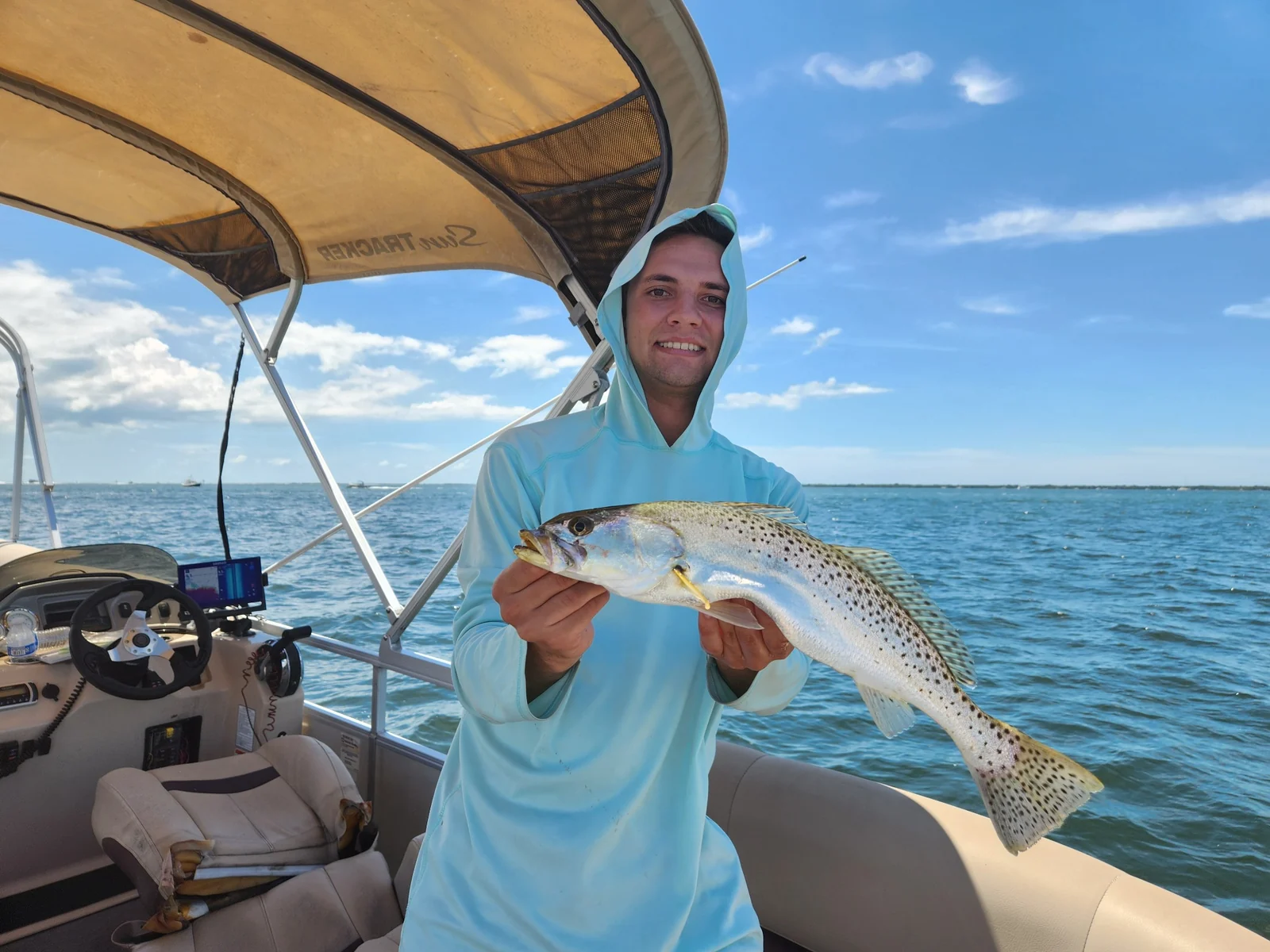
Consider Florida estuarine shoreline as a regional example, not a prediction for every coast. Adult common snook, Centropomus undecimalis, use vegetated shorelines and eat fish, shrimp and crabs. Florida also has other snook species; do not assign identity from a dark lateral stripe alone. That makes a small swimming plastic a reasonable fish-shaped search tool, while a slower shrimp-style offering tests another food type. Neither proves what a fish is eating that day. Confirm local species and rules before choosing a target; large snook close to heavy cover require more capable tackle than the beginner outfit above.
| Feature or observation | Question to ask | Starting presentation | What would make you change? |
|---|---|---|---|
| Open margin beside vegetation | Are small fish moving along the boundary? | Swim a straight-rigged plastic parallel to the clear edge | Leaves on each retrieve: shorten sink time |
| Shallow sand beside a channel | Can you reach the depth change without crossing a snag? | Cast diagonally and compare two short sinking counts | Lure dragging: start reeling earlier |
| Overhanging shoreline in a Florida estuary | Are locally confirmed snook using the sheltered margin? | Work the open face with a swimming plastic; keep a landing lane | Cover too dense for the outfit: choose another station |
| Sheltered pocket with visible small prey | Would a slower offering remain in the feeding lane? | Try a legal small bait under a matched float | Bait spinning or snagging: simplify and reset depth |
These are editorial experiments. A seam can bring food past a sheltered position, but the strongest flow is not automatically the best beginner station. Look for water you can fish without a long bow of slack line. Do not step into a channel to improve your casting angle.
A sixty-minute lesson with a clear decision
Use the first ten minutes to inspect access, landing space and two nearby features. Test the lure beside you, where its alignment and tail action are visible. Spend fifteen minutes on short casts along the nearest edge, keeping lure and speed unchanged. Next, use fifteen minutes to compare a shallower retrieve with a slightly longer sink. Record clean retrieves as well as bites: a lure repeatedly buried in weed has not tested the fish fairly.
Use the last twenty minutes at the second reachable feature, repeating the most controllable presentation. If you see follows, try one modest speed change. If nothing responds, leave with a useful observation about depth and control rather than claiming the coast has no fish. On a later trip, repeat the same baseline before buying more equipment. The lesson succeeds when you can explain where the lure traveled and why you changed it.
Brief rules and handling notes
For the Florida example, consult FWC's current recreational saltwater rules for licence requirements, species identification, seasons, size/bag limits and gear restrictions; check Pinellas County's park access and closure information separately. The county says a valid saltwater fishing licence is required throughout Fort De Soto, including its piers; confirm whether a personal exemption applies with FWC. Do not retain an unidentified fish or assume catch-and-release removes gear restrictions.
Check the local marine forecast and tide/access route. Leave exposed water before thunderstorms arrive; no promising tide overrides unsafe conditions. Use suitable flotation, eye protection and a landing tool for the setting. Keep unfamiliar teeth and spines clear, support fish without lifting them by the rod, and keep release handling brief. Record the feature, sink count and most useful adjustment for your next outing.