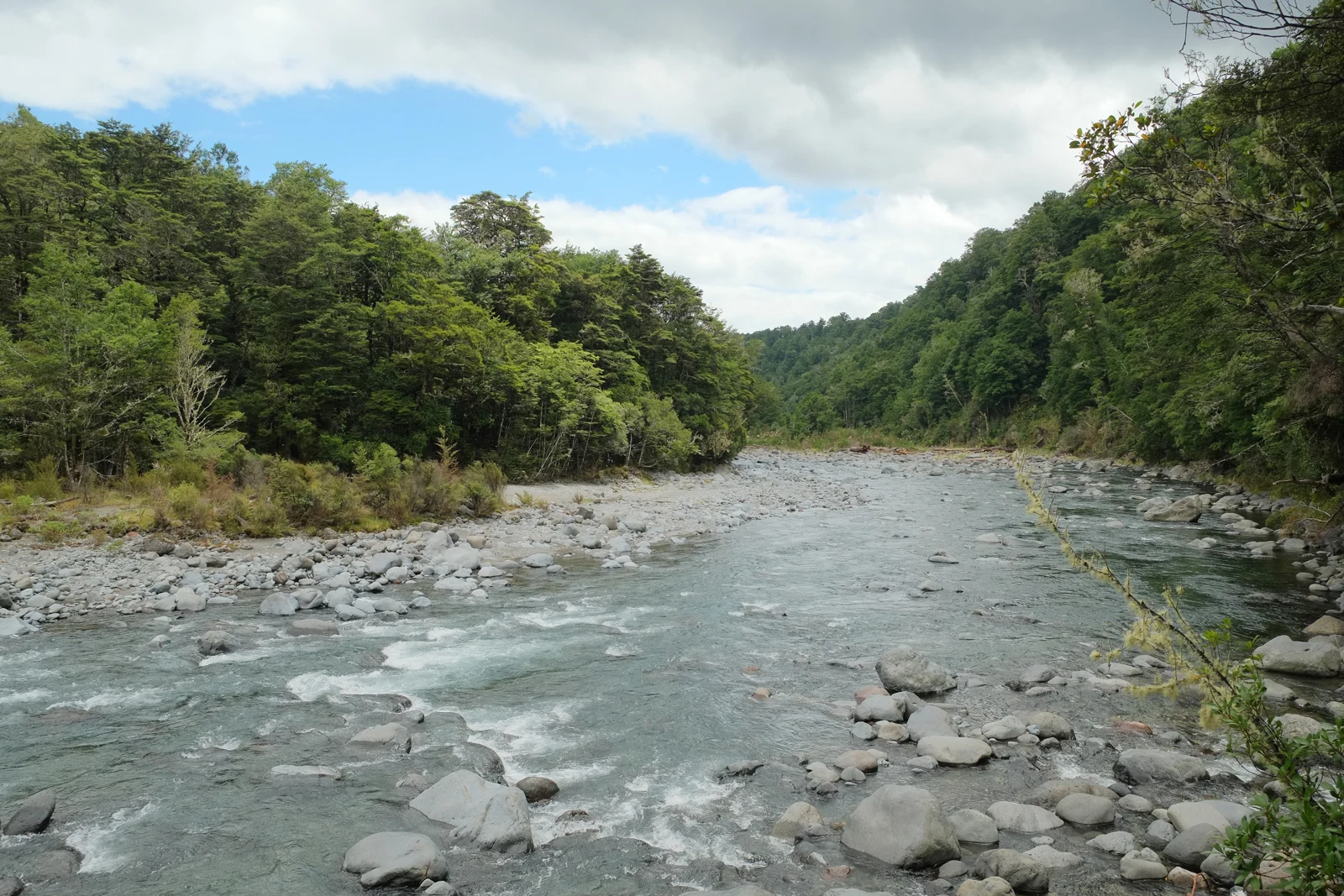
November to January on Lake Taupō rewards anglers who solve a three-dimensional problem: where the trout are feeding, how deep the flies actually sit, and how long the boat lets them stay there. A remembered waypoint is only a starting position. Summer jigging becomes more repeatable when each drift tests a specific depth and you record what happened.
This guide targets boat anglers seeking smelt-feeding rainbow trout. It is a practical plan for the coming summer, reviewed on 20 October 2026, rather than a report of conditions that have not happened yet.
Read the season through the sounder
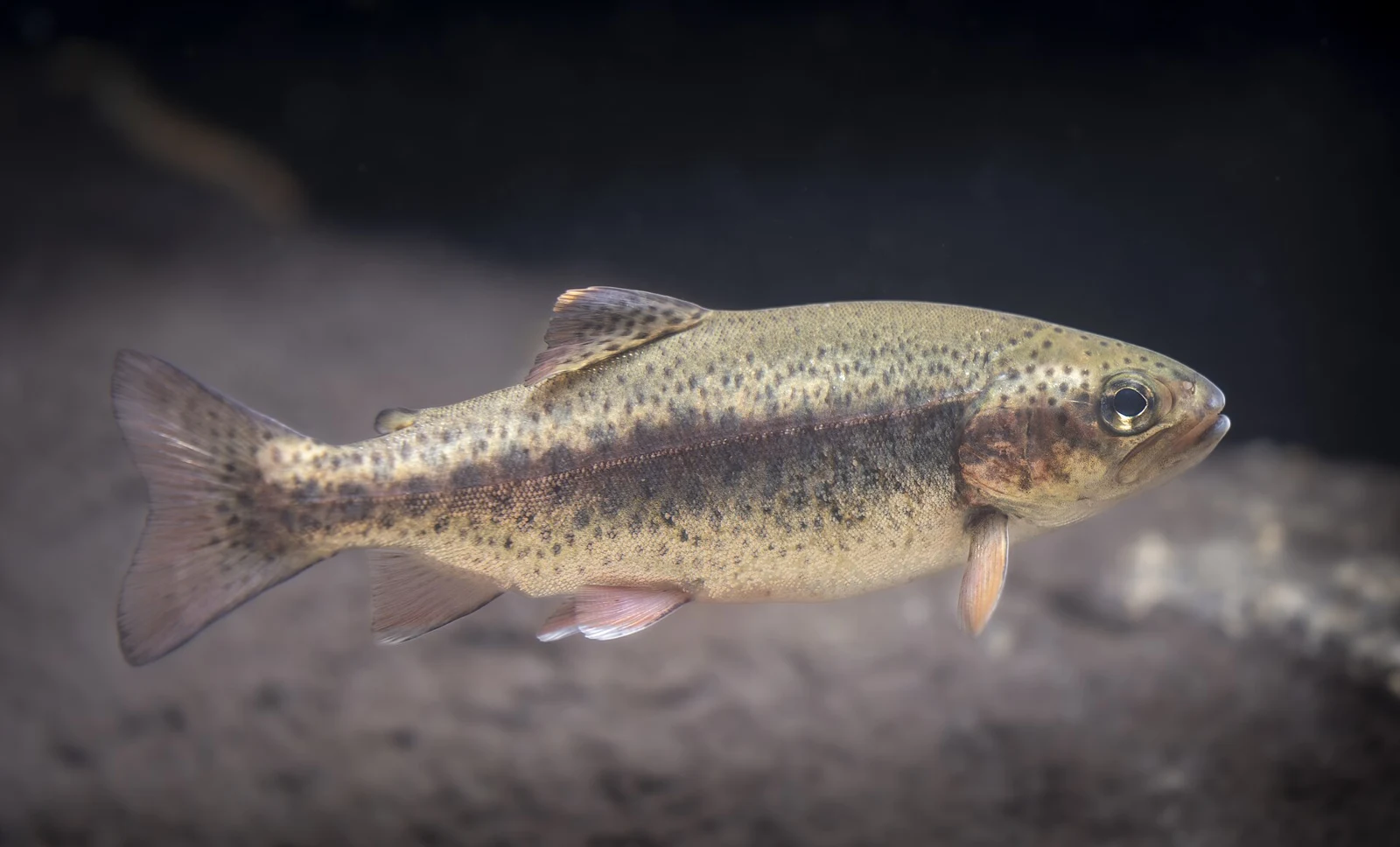
DOC describes Taupō rainbows as open-water hunters following smelt, with baitfish commonly occupying water between roughly 25 and 45 metres. Early-summer smelt spawning can draw trout into shallower water. November therefore deserves a broad search; January should not automatically inherit November’s depth settings.
DOC’s jigging guidance gives 30–35 metres near the bottom as a usual summer starting point. That is a search band, not an instruction to lower every rig to 35 metres. Its 2024/25 creel snapshot also suggested 35–40 metres during a particular late-summer period with established stratification and heavy boat traffic. Treat that historical advice as evidence of variability, not a forecast or a reason to chase progressively deeper fish.
Before dropping, make a short survey across a contour change, then along it. Look for bait concentrations and larger returns nearby. Fish & Game’s current jigging guidance describes bait as clouds or elongated masses and trout as larger individual marks around them. Screen appearance changes with frequency, settings and boat speed; a mark is a lead to investigate, not a species identification.
Keep a full-depth view alongside a magnified fishing band if your unit allows. Otherwise bottom zoom can conceal suspended fish. Adjust sensitivity enough to distinguish useful returns from clutter. A visible horizontal band may suggest a temperature boundary, but sonar alone does not establish water temperature or oxygen availability.
Build a manageable rig
A sensitive rod around 1.8–2.1 metres makes subtle contacts easier to notice. Choose an overhead or spinning reel whose drag releases smoothly, and thin braid around 10 lb with ample reserve beyond the working depth. DOC’s published minimum is 50 metres; additional capacity provides room for a run and for trimming worn line.
One practical starting rig is a 2.5–3 metre length of approximately 10 lb leader, with two short droppers about 60 centimetres apart and a plain sinker below. Leave roughly 50–60 centimetres between the lower fly and sinker. Test your knots with firm, steady pressure ashore. This two-fly arrangement is an editorial starting choice that reduces tangles while you learn to control depth; using the legal maximum is unnecessary.
Begin with a 28 gram sinker, approximately one ounce. Carry a heavier alternative matched to the rod’s rating for occasions when additional weight improves control. If the weather makes a much heavier sinker seem essential, reconsider the drift and the trip before adding weight.
Use small smelt-style flies, commonly sizes 6–10. A pale or pearly pattern and a darker silhouette give a useful first comparison. DOC lists Grey Ghost and Jack Sprat among local favourites. Check actual hook dimensions: the number printed on a packet is not the legal measurement.
Pack spare rigs on winders. A tangled dropper costs fishing time and can shorten the distance between hooks without you noticing. Replace twisted or scuffed sections rather than trying to straighten a damaged rig beside the gunwale.
Make depth measurable
Write down the difference between the sinker’s position and each fly. If a sinker is at 33 metres on a nearly vertical rig, a fly 60 centimetres above it fishes shallower than 33 metres. With several flies, the rig covers a band. Match that band to the returns rather than matching the sinker alone.
Check the sounder’s depth reference and any transducer offset. A reel counter and colour-coded braid measure line paid out; neither directly measures vertical depth once the line angles away. Do not treat 35 metres of line as proof that your fly is 35 metres down.
On a gentle drift over clear bottom, lower under control until the sinker first touches, then retrieve enough line to keep it off the lake bed. Note the counter or braid colour. Use that reference cautiously as depth changes. Constant bottom dragging gathers debris, risks snags and makes a genuine take harder to distinguish.
For suspended marks, stop above the bottom and use measured line rather than a bottom-first routine. If the rig appears on the sounder, it provides a useful check. Failure to see it may simply mean it has left the sonar beam. It does not establish that the rig has disappeared below the fish.
Design a drift you can repeat
Before fishing, idle clear of other boats and let the boat drift briefly with lines aboard. Watch the track and identify the direction you will cross the contour. Choose a starting position that leaves room to retrieve before entering shallow water, a navigation route or a restricted mouth area.
Make the first drift short enough that you can explain it afterwards. Record starting depth, fish depth, direction, approximate line angle and the fly that drew a response. Repeat a productive segment from the same side. A waypoint marks a location; the track records how you approached it.
Think of increasing line angle as a loss of precision. Paying out more line may reach deeper, but also places the rig farther from the water represented beneath the transducer. Retrieve and reposition when you can no longer relate presentation to fish depth.
A properly deployed drogue can reduce wind-driven drift. Use one only with an appropriate attachment and a retrieval plan for your boat. Keep lines and ropes away from the propeller. If using an electric motor to maintain position, nominate the skipper who watches traffic while the anglers watch their rods. Holding over a mark does not remove collision responsibilities.
Leave generous space for other boats’ drifts. Do not race to another crew’s landing fish or position yourself where they must retrieve early. Boat control is part of the fishing method, and sharing the water well preserves everyone’s ability to make a clean pass.
Work the flies, then change one thing
Begin with modest lifts and controlled lowering, keeping enough contact to notice a tap. Add pauses. A take can register as unexpected weight, a twitch or line that stops descending. Respond promptly with a controlled lift and take up slack; braid does not require a violent strike.
Do not spend a whole drift repeatedly sweeping the rig out of the target band. Let the boat’s motion contribute movement, especially in a small chop. When you want to test a different level, move the rig deliberately and note the change.
Use a simple sequence when fish appear but do not bite:
- Confirm your flies, rather than just your sinker, overlap the marked depth.
- Repeat the drift with smaller movements and longer pauses.
- Change one fly’s size or contrast while retaining the other as a comparison.
- Leave the marks and search elsewhere if repeated controlled passes produce nothing.
When the screen is empty, searching is usually a more informative experiment than changing five fly patterns. Conversely, do not abandon fish after one imperfect drop. Two tidy passes teach more than repeated drops made with an uncontrolled line angle.
Check the 2026/27 rules before launching
Buy the DOC Taupō District licence appropriate to each angler before fishing. A Fish & Game licence for other districts does not cover Taupō. Whole-season licences run from 1 July to 30 June; visitors should select the correct resident or non-resident category.
The legal reference includes the Anglers Notice for Taupō District 2026, No. 2, effective 1 October 2026. DOC’s current summary states these key Lake Taupō rules:
- Minimum trout length is 35 centimetres, measured from snout to tail fork; the daily retained limit is eight trout, combining species. Stop fishing after keeping the daily limit.
- Fish only from 5 am to midnight. Use one rod at a time and no more than three flies or lures.
- Each lure or fly may carry only one single-point hook; hook gape must not exceed 14 millimetres.
- Jigging is prohibited within 200 metres of the designated white, black and yellow landmark posts at tributary mouths.
A hooked metal jig counts toward the lure total: three flies plus that jig is too many. Fish-attracting electronic devices are prohibited; distinguish those from the fish-finding sonar discussed here. Consult the current notice and DOC for any uncertainty about a device, rig or mouth boundary. Older summaries showing six fish are outdated.
Plan the return before the first drop
Choose a launch that suits the forecast and your boat, rather than a distant fishing rumour. The Harbourmaster lists ramps around the lake, including Taupō Boat Harbour, Motuoapa, Tokaanu and Omori. Check the chosen ramp’s suitability and current status. Harbourmaster-managed facilities require a ramp permit; privately operated Kinloch has a separate arrangement.
Read MetService’s Lake Taupō recreational marine forecast, including wind changes and warnings, before departure and again before launching. A town temperature forecast is insufficient for deciding whether to cross the lake. Set a conservative turnaround point for your vessel and experience, allowing for a slower return into waves.
Wear properly fitted lifejackets, carry warm waterproof clothing, reserve fuel, navigation information and suitable emergency communications. Tell a shore contact your route and return time. Keep the deck clear of exposed droppers. A local guide is a sensible first-trip choice for an unfamiliar skipper or an angler without sounder experience.
Decide what happens to a hooked fish
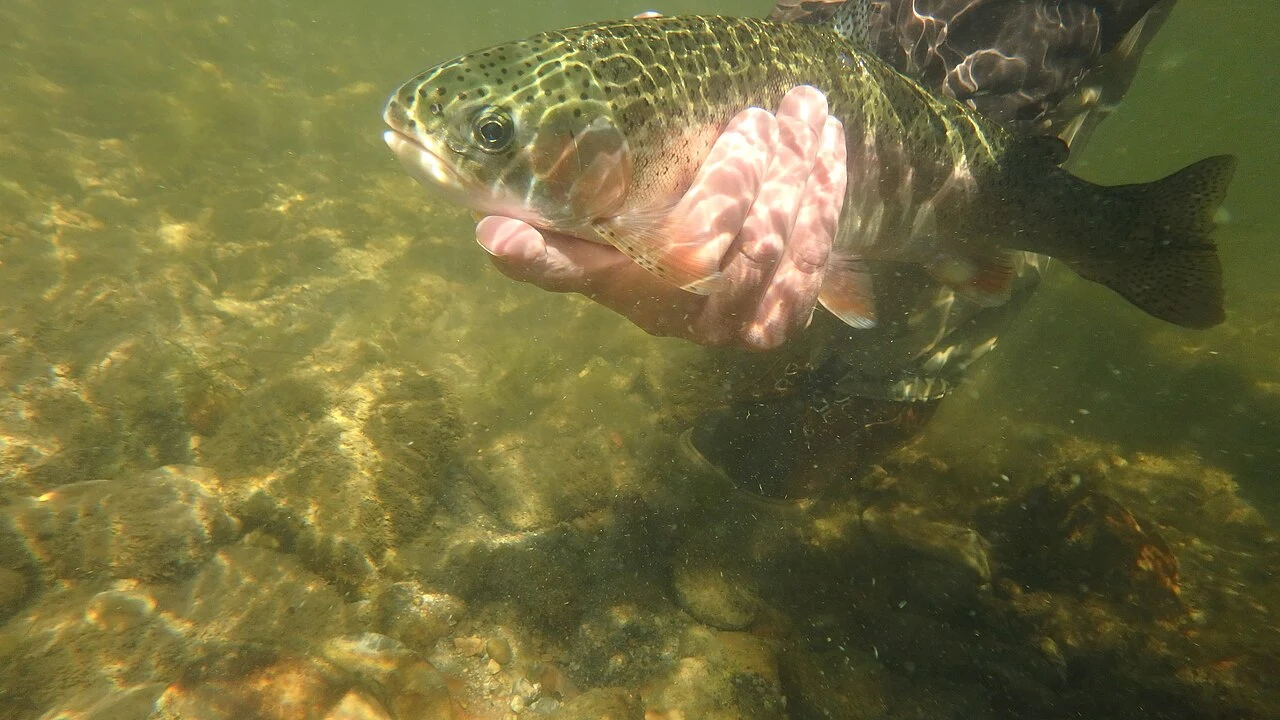
Have the net, pliers, measuring board and iced fish storage ready before lowering. Land trout efficiently without prolonged exhaustion. For release, follow DOC’s handling advice: keep the fish in the water where practicable, use soft knotless mesh and wet hands, and avoid squeezing or touching gills.
Deep capture adds uncertainty. Pressure changes can injure trout, and a fish swimming away does not prove survival. Do not assume slow winding, waiting at the surface or improvised puncturing solves the problem. This guide does not prescribe a deep-release treatment or promise survival from 30–40 metres.
Release undersized fish carefully as required. If a location repeatedly produces small fish or releases that struggle, stop fishing that depth and move or finish. For anglers intending entirely voluntary catch-and-release, choosing a shallower opportunity is a prudent alternative to repeated deep captures. DOC’s June 2026 management announcement explains why lawful harvest helps balance trout numbers against smelt; retain only fish you can use within the rules.
Before moving to another waterway, follow MPI’s current Check Clean Dry instructions for the boat, trailer, net, ropes and footwear. Remove visible material, clean all relevant surfaces and drain retained water. MPI specifies a further 48 hours after gear is dry to the touch, inside and out; a quick tow home is insufficient for wet compartments. Check current clam controls for both departure and destination waterways. End the trip with the same precision you brought to the fishing: a clear catch record, clean equipment and a better starting hypothesis for next time.