Hong Kong reservoir float fishing: read the depth with a lead-free rig
Build and tune fixed and sliding float rigs, test bank shelves and adjust bait depth on Hong Kong reservoirs while observing WSD’s specific fishing conditions.
Asia10 min read ↗
 Global Fishing JournalKNOWLEDGE FOR THE WATER AHEAD
Discover practical guides, thoughtful stories, and ideas for the water ahead.
Build and tune fixed and sliding float rigs, test bank shelves and adjust bait depth on Hong Kong reservoirs while observing WSD’s specific fishing conditions.
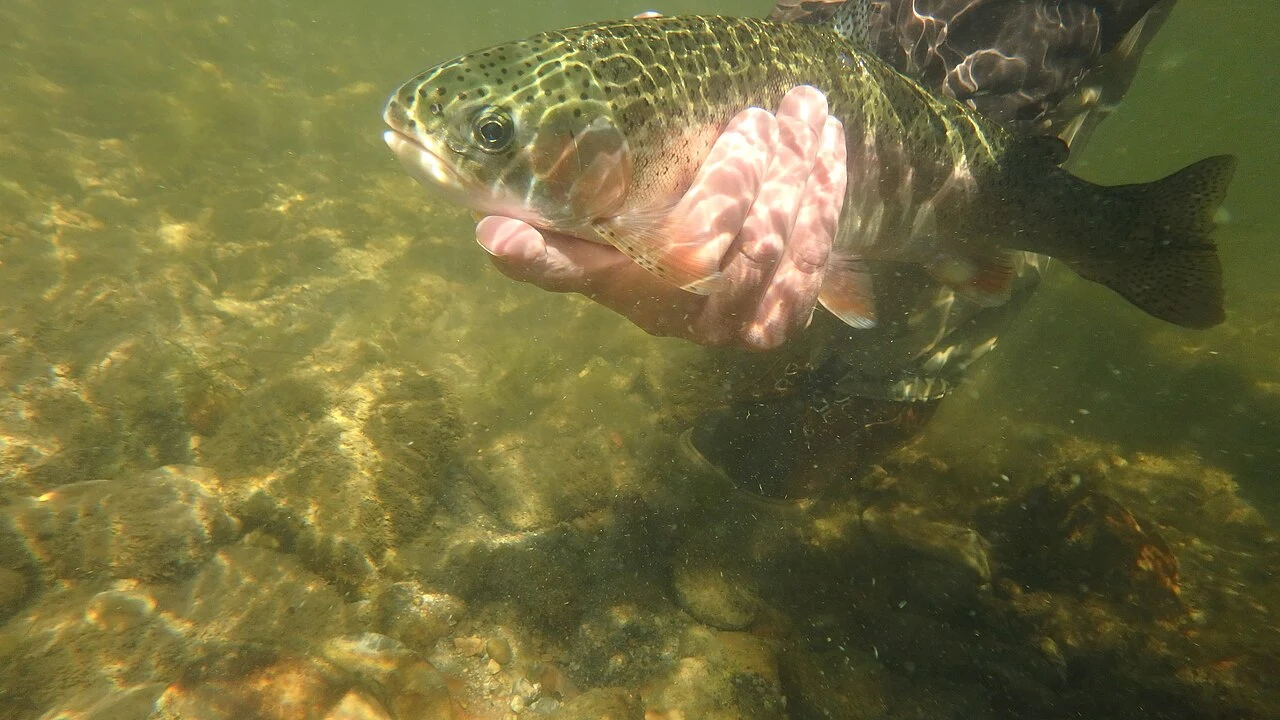
Prepare a workable release station, choose the right response to difficult hooking or buoyancy, and rehearse a complete bank release without assuming survival.
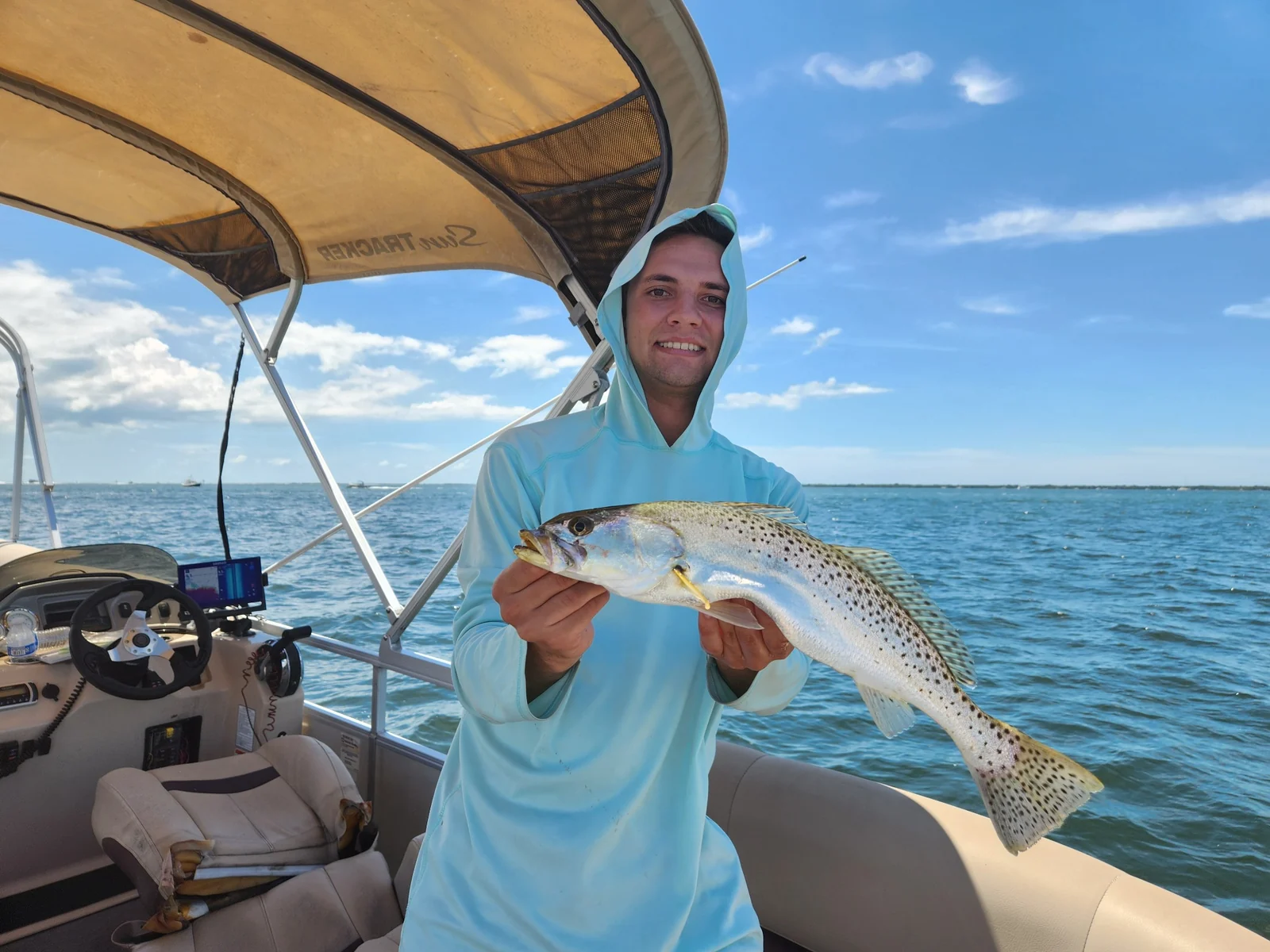
Build a sheltered-water starter outfit, assemble a jig or float-bait rig, read food and structure, and work through a repeatable first saltwater session.
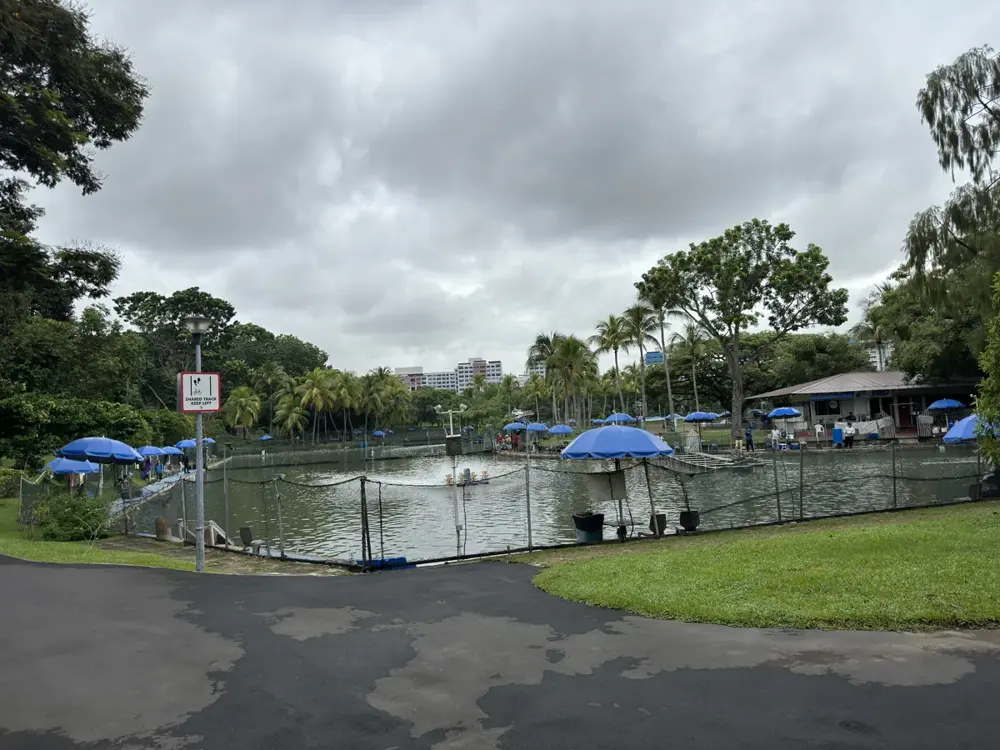
Choose a suitable pond, assemble a sliding-sinker or float rig, and improve bait presentation at a managed Singapore fishery without confusing stocked-pond behaviour with wild estuary fishing.
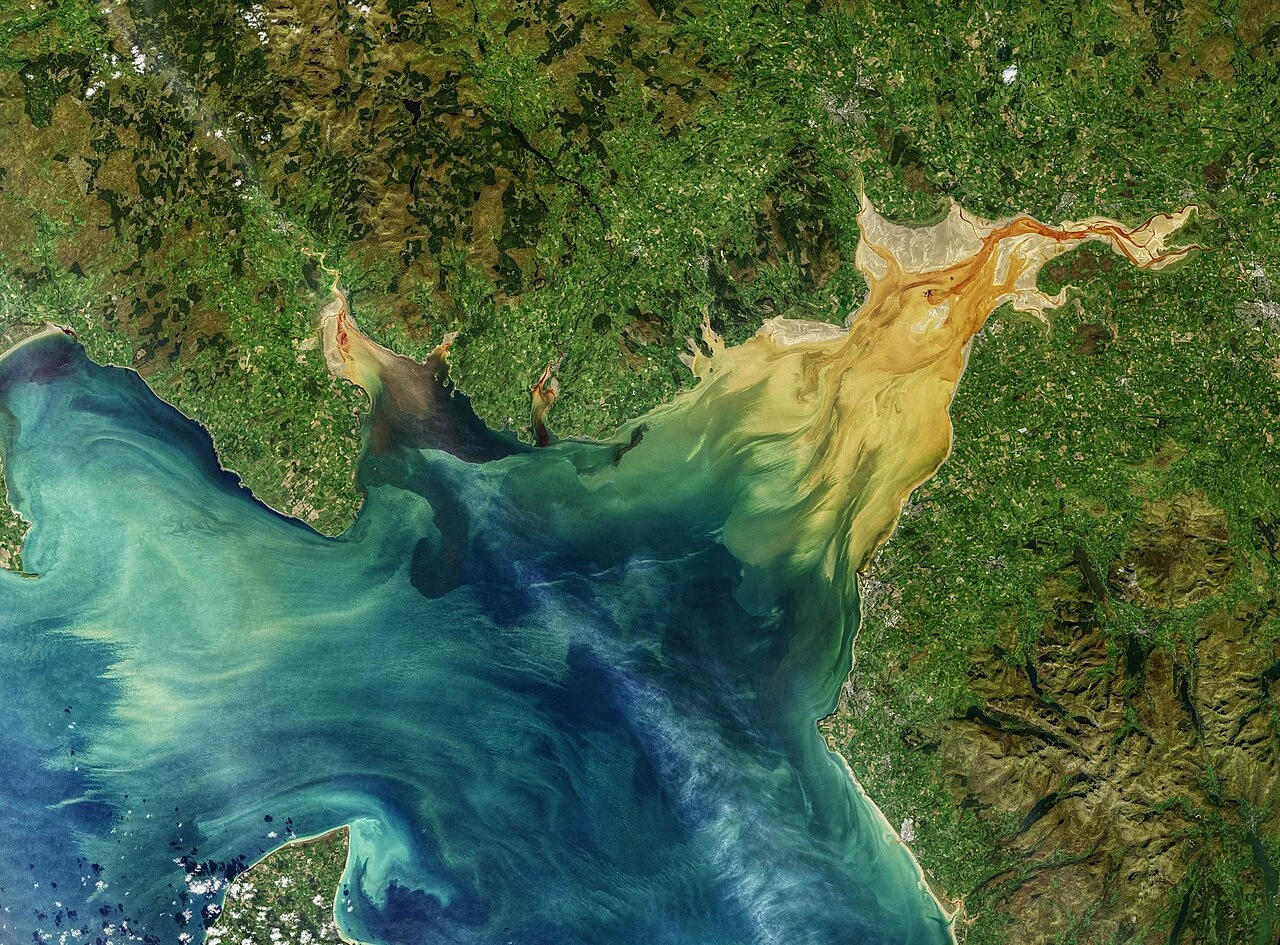
Turn tide and current predictions into a fishing plan: compare estuary structures, assemble a jig or shrimp-float rig, and adjust casting angle, depth and retrieve as the flow changes.
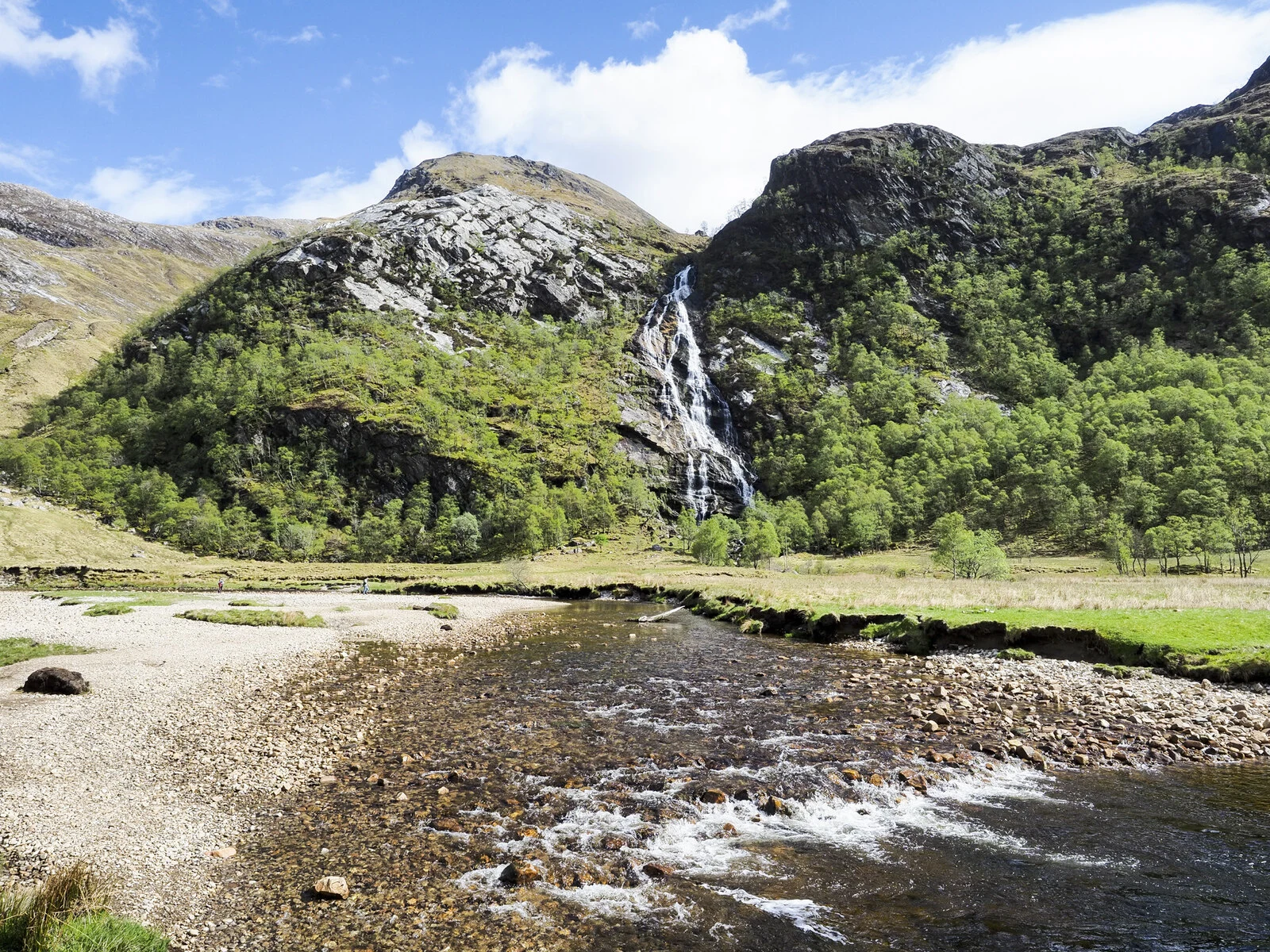
Read river seams, riffles, pools, wood and weed edges, then assemble simple search and float rigs to test where fish hold and how they feed.
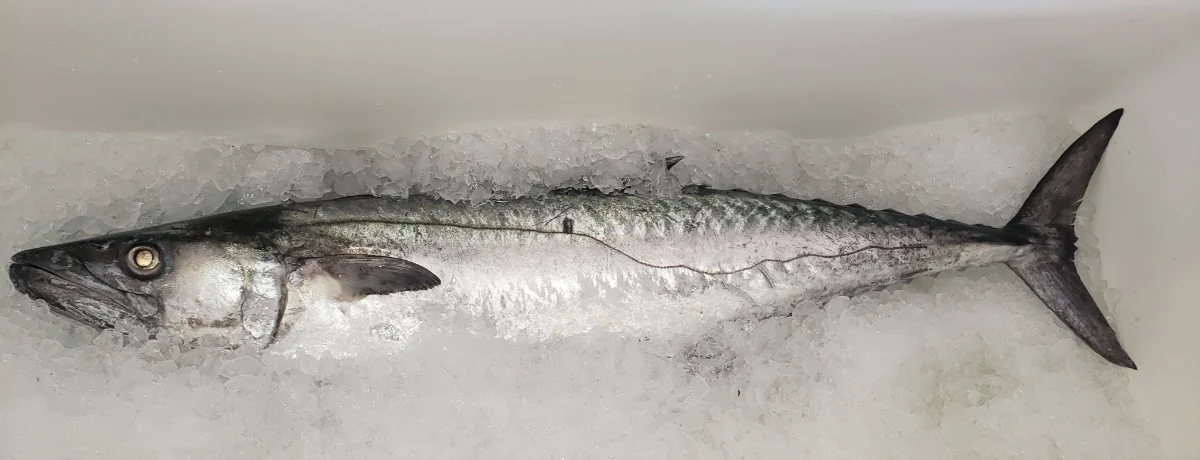
A practical boat-to-kitchen system for lawful retained fish: decide before the bite, size the cooler, use clean ice and drainage, separate tasks, monitor temperature, and know when quality or safety uncertainty means discarding the catch.
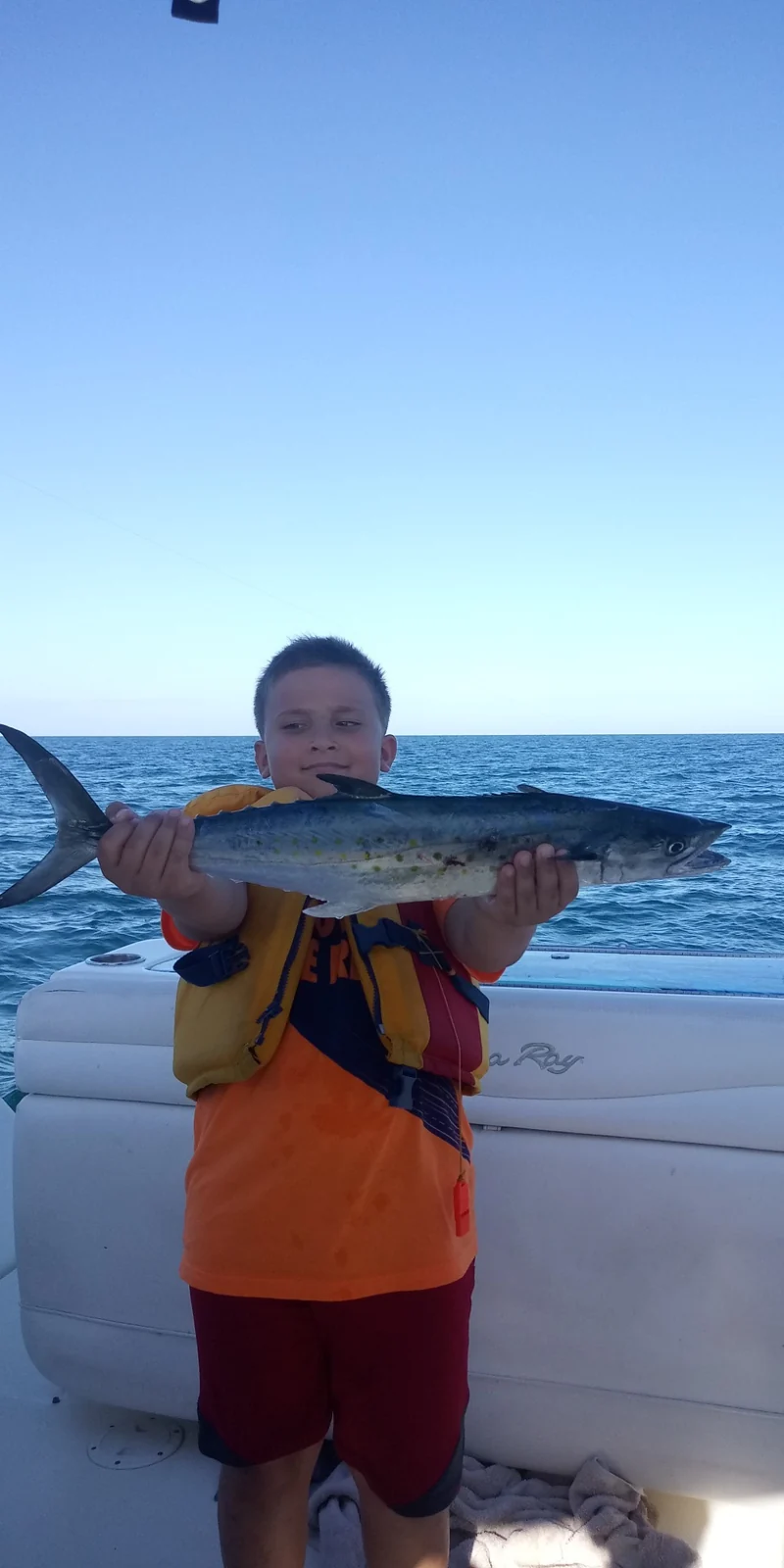
A practical first-trip plan for North American families: fit life jackets, choose sheltered water, separate casting and hook zones, start with simple rigs, rotate jobs, monitor weather, and end while the crew is still comfortable.
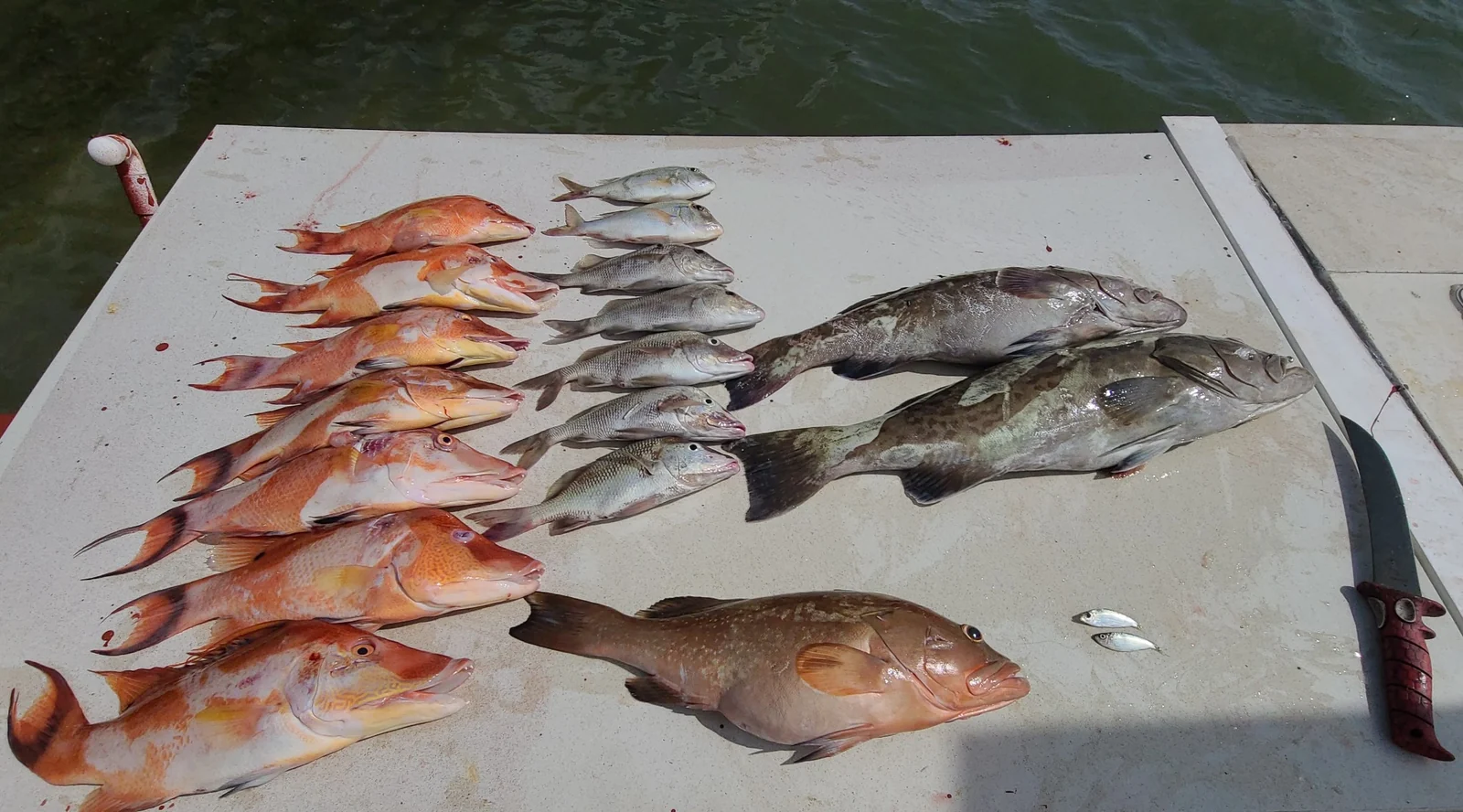
A practical North American boat-and-bank workflow for deciding release or retention, taking identification-grade photographs, choosing the correct measurement method, and documenting the rule source without extending fish-handling time.
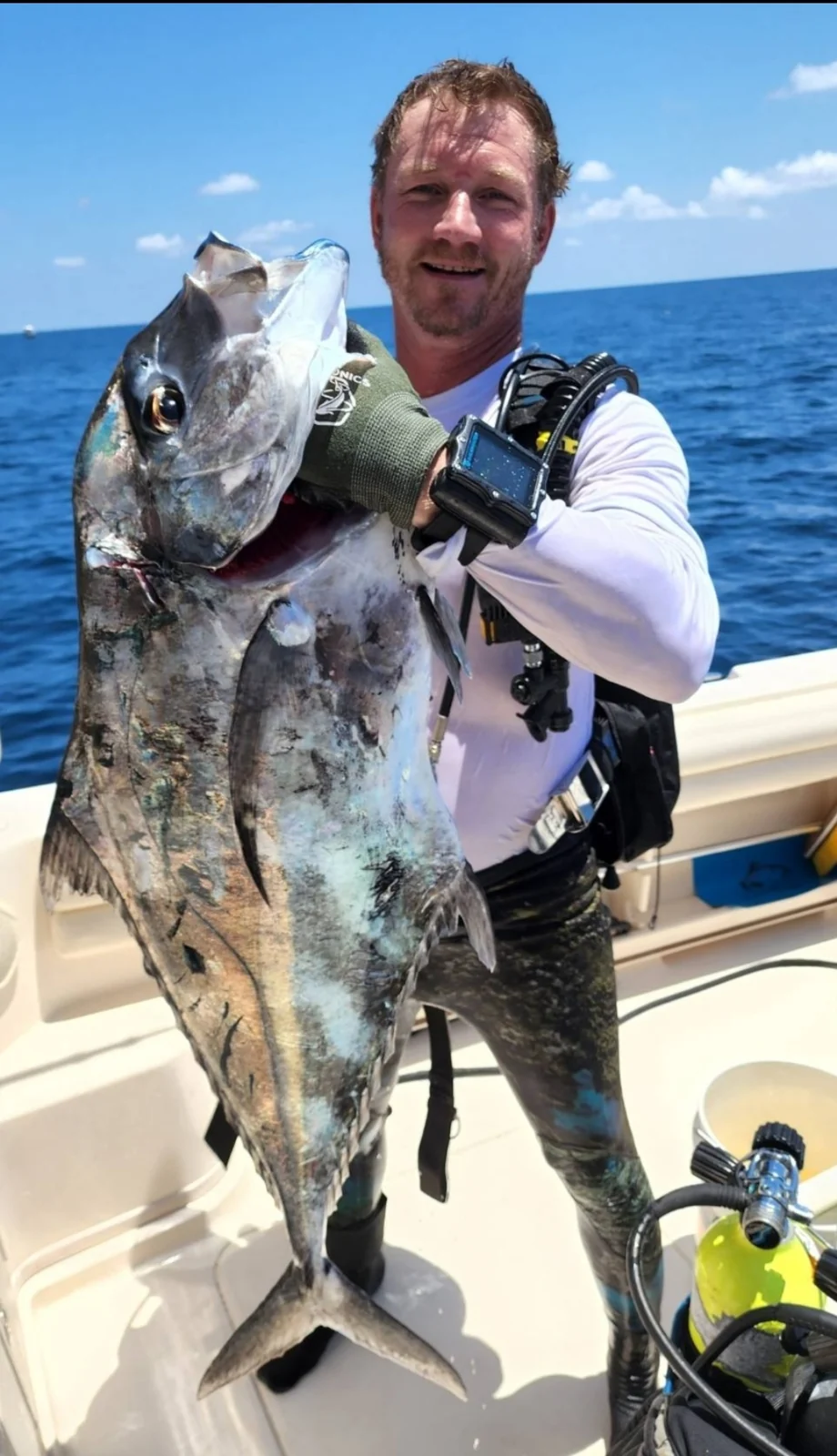
A rule-first plan for Florida saltwater spearfishing that separates scuba and breath-hold risks, assigns a dedicated surface team, maps current and boat traffic, applies divers-down requirements, and sets conservative abort points.
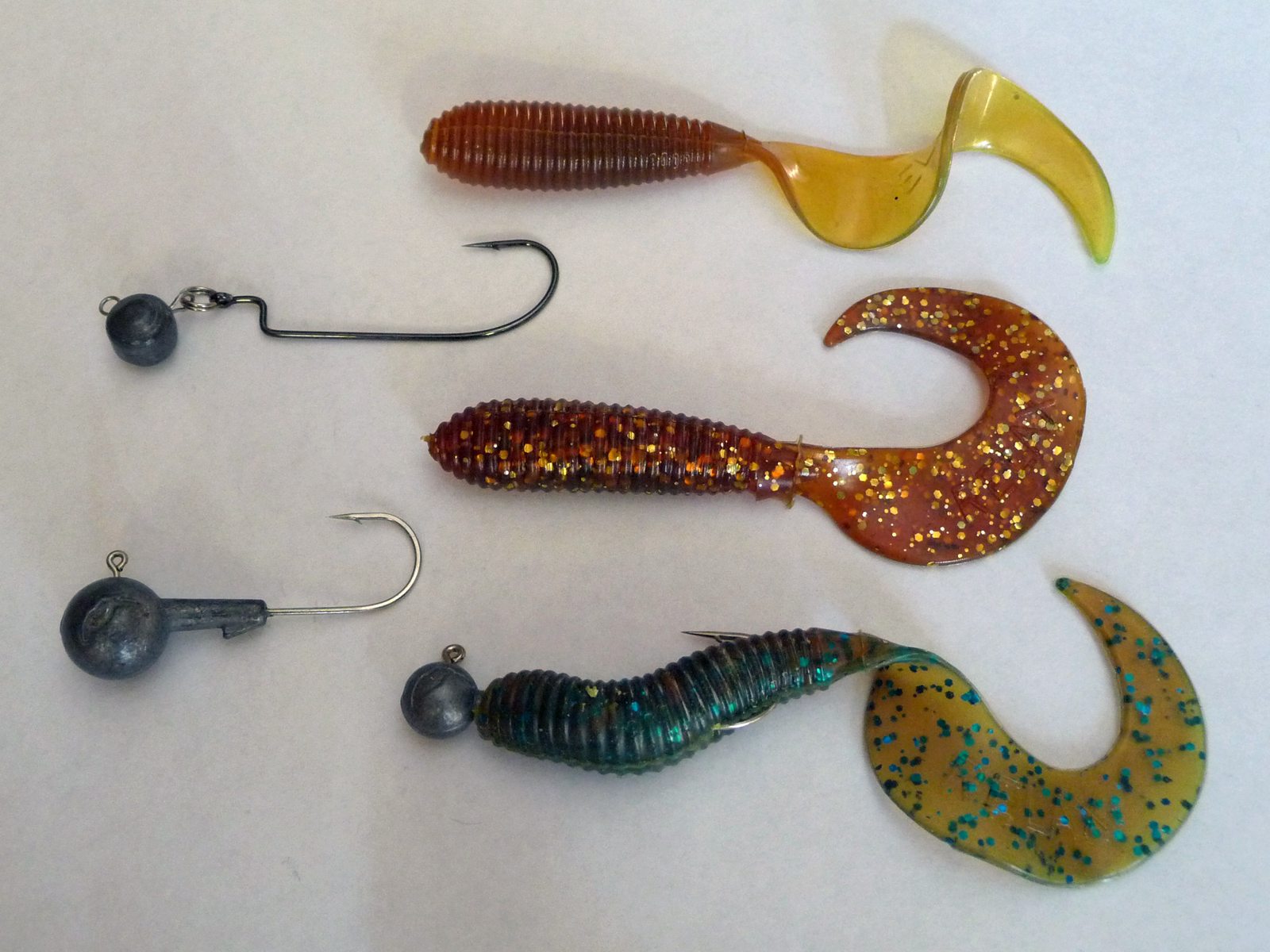
Use a small weight ladder, cast angle and line control to place a soft plastic in a river feeding lane, with species examples, troubleshooting and a worked session.
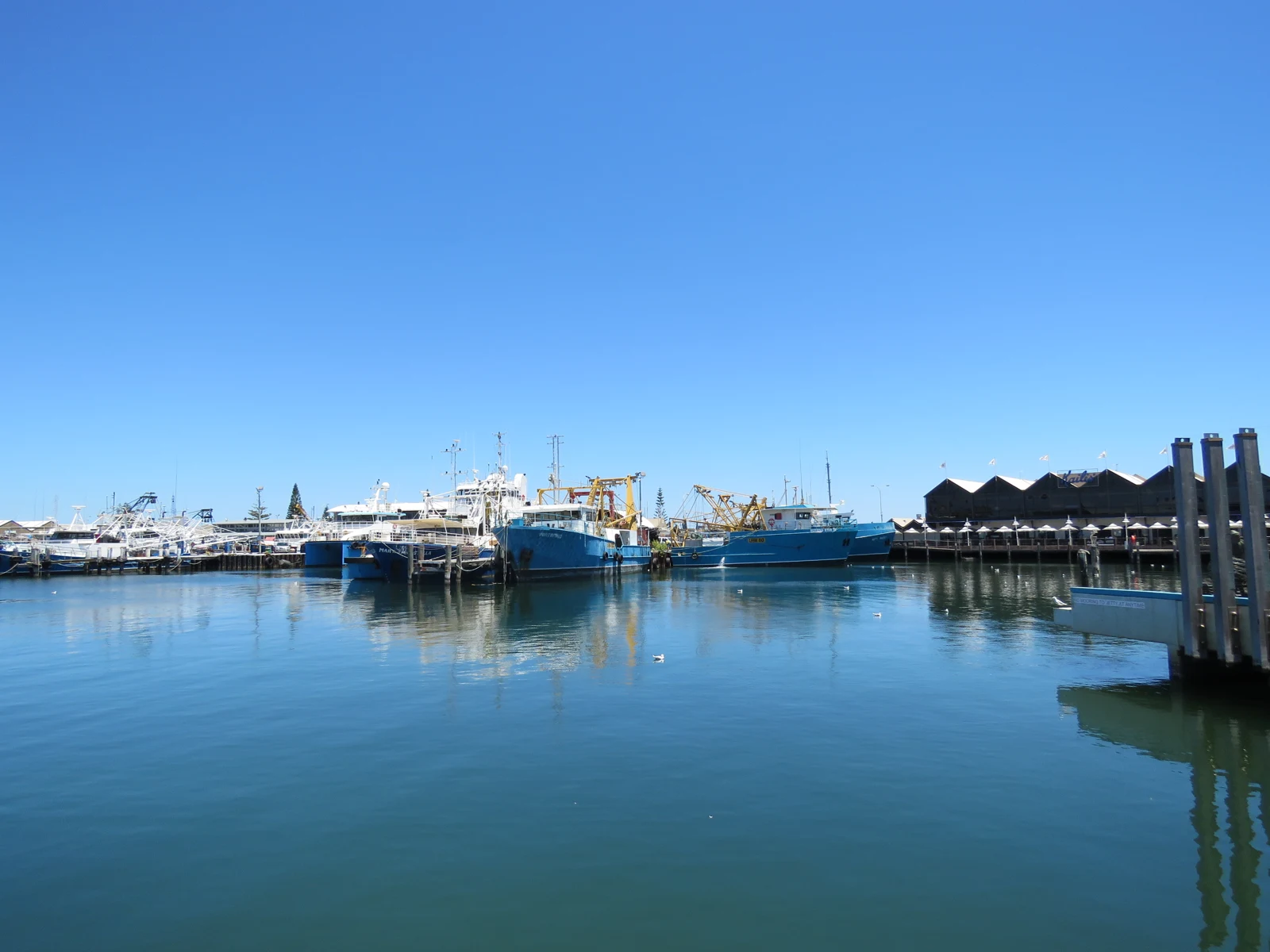
Measure the boat’s track, choose a safe fishing lane, and match lure depth and weight to structure, forage and actual drift conditions.
Start with a regional guide, then explore the articles for your next destination.
Canadian lakes, Alaska, and the varied waters of the United States.
47 articlesTropical freshwater, coastal flats, and blue-water possibilities.
4 articlesA first look at freshwater destinations and ocean fishing.
4 articlesNordic lakes and rivers, with a different perspective from the coast.
19 articlesExplore the region through its inland rivers and lake fisheries.
5 articlesMediterranean coasts and inland water worth a closer look.
4 articlesCompare river-based adventures with coastal and island fishing.
8 articlesAn introduction to coastal fishing and choosing a local outing.
3 articlesFreshwater and marine possibilities across very different settings.
7 articlesTrout water, tropical rivers, and coastal fishing on your terms.
26 articlesHawaiʻi, Guam, and the Philippines: island-based fishing ideas.
4 articlesA growing journal for freshwater and saltwater anglers around the world. Good fishing starts with curiosity, preparation, and respect for the places we visit.